Mongolian Ground Beef Noodles
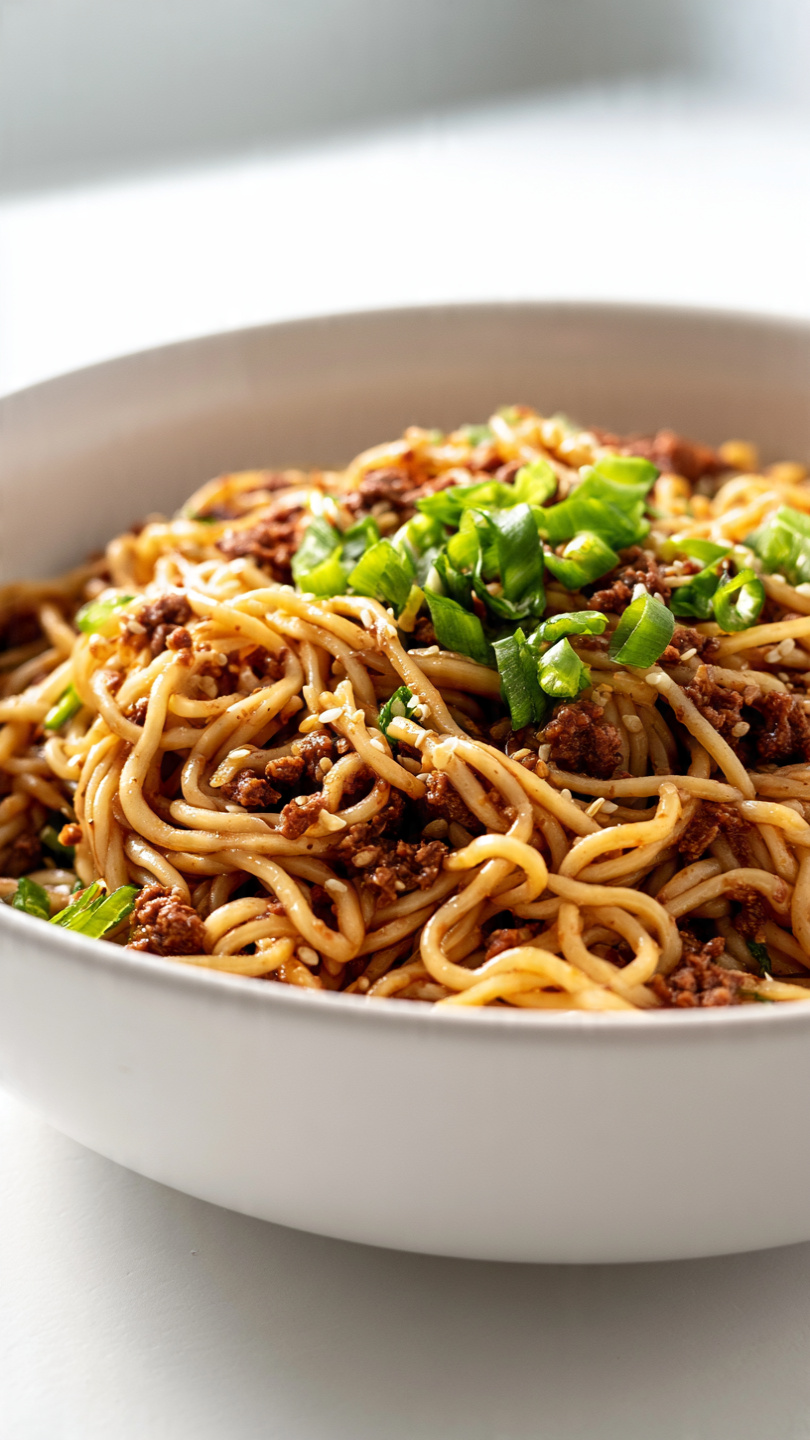
These Mongolian Ground Beef Noodles are a quick, flavor-packed weeknight dinner ready in under 30 minutes, with savory-sweet sauce, tender rice noodles, and juicy ground beef.

The 30-Minute Weeknight Dinner That Tastes Like Takeout
Some recipes just have that magic combination of fast, affordable, and absolutely delicious. These Mongolian Ground Beef Noodles are exactly that. Tender rice noodles tangled up in a glossy, savory-sweet Mongolian-inspired sauce with bold garlic and ginger, all built around budget-friendly ground beef. It comes together in about 30 minutes from start to finish, which means it beats delivery every single time.
If you have been searching for easy Mongolian ground beef noodles or a quick ground beef and rice noodle recipe that the whole family will actually eat, this is the one to bookmark. It is deeply satisfying, endlessly flexible, and practically impossible to mess up.
What Makes This Recipe So Good
Mongolian beef is a classic Chinese-American dish traditionally made with thinly sliced flank steak. This version swaps the steak for ground beef, which means no marinating, no slicing against the grain, and no special technique required. The result is just as flavorful but a fraction of the effort and cost.
The sauce is the real star here. It is built from pantry staples you likely already have:
- Low-sodium soy sauce for that deep umami backbone
- Brown sugar for sweetness and that beautiful caramelized glaze
- Hoisin sauce for a layer of complex, slightly smoky richness
- Toasted sesame oil for warmth and nuttiness
- Fresh garlic and ginger for the aromatic punch that makes this Mongolian-inspired dish unmistakable
A small amount of cornstarch thickens everything into a glossy, clingy sauce that coats every noodle perfectly.
Chef's Tip: Do not skip rinsing the rice noodles after cooking. It stops them from overcooking and, tossed with a tiny bit of sesame oil, keeps them from sticking together while you finish the beef.
Choosing the Right Ingredients and Tools
For this easy Mongolian noodle dish, using flat rice noodles (sometimes labeled "rice stick noodles" or "banh pho") gives you the best texture. They soak up the sauce without turning mushy and have a satisfying chew. An 80/20 ground beef blend is ideal because the fat adds flavor and helps the beef brown beautifully rather than steam. Using the right heavy skillet or wok also makes a genuine difference since you want high heat that sears rather than stews.
Having the right gear and quality pantry staples genuinely elevates this Mongolia ground beef noodles recipe from good to great:
How to Make Mongolian Ground Beef Noodles
This recipe follows a simple framework: cook the noodles, build the sauce, brown the beef, combine everything. Here is a closer look at each stage.
Step 1: Prep the Noodles
Cook your rice noodles just until tender, then drain and rinse them immediately under cold water. This is a non-negotiable step. Rinsing stops carryover cooking and washes off excess starch so the noodles stay separate and silky rather than clumping into a sticky mass.
Step 2: Make the Sauce
Whisk all the sauce ingredients together in a bowl before you even turn on the burner. Having it ready to pour means you will not be scrambling once the beef is in the pan. The cornstarch will dissolve completely into the liquid, so do not worry about lumps.
Step 3: Brown the Beef
Use a large skillet or wok over medium-high heat. You want a proper sear, not a slow steam. Break the beef into small crumbles as it cooks and let it sit undisturbed for a minute or two between stirs so some pieces get nicely browned at the edges. That browning is pure flavor.
Step 4: Build the Aromatics and Sauce
Pushing the beef to the side and adding garlic, ginger, and green onion whites directly to the hot pan for 60 seconds wakes up their flavor before everything gets combined. Pour in the sauce, let it bubble and thicken, and watch it turn glossy and irresistible.
Chef's Tip: If the sauce reduces too quickly or looks too thick, add a small splash of water to loosen it before tossing in the noodles.
Step 5: Toss and Serve
Add the noodles and toss with confidence. Use tongs if you have them for the best coverage. Every noodle should be coated in that deep, mahogany sauce. Taste and adjust, then pile it into bowls and hit it with green onions and sesame seeds.
Ready to make it? Here is the complete step-by-step recipe with exact measurements:
Mongolian Ground Beef Noodles
These Mongolian Ground Beef Noodles are a quick, flavor-packed weeknight dinner ready in under 30 minutes, with savory-sweet sauce, tender rice noodles, and juicy ground beef.
Ingredients
- 8 oz rice noodles, flat or medium-width, cooked according to package directions
- 1 lb ground beef, 80/20 blend recommended
- 5 garlic cloves, minced
- 1 tbsp fresh ginger, peeled and grated
- 3/8 cup low-sodium soy sauce
- 3 tbsp brown sugar, packed
- 2 tbsp hoisin sauce
- 1 tbsp sesame oil, toasted
- 1 tbsp cornstarch
- 1/4 cup water
- 1/2 tsp red pepper flakes, adjust to taste
- 1 tbsp vegetable oil
- 4 green onions, thinly sliced, whites and greens separated
- 1 tbsp sesame seeds, toasted, for garnish
Instruction
Cook the rice noodles according to package directions until just tender. Drain, rinse with cold water, and toss with a small drizzle of sesame oil to prevent sticking. Set aside.
In a small bowl, whisk together the soy sauce, brown sugar, hoisin sauce, sesame oil, cornstarch, and water until the cornstarch is fully dissolved. Set the sauce aside.
Heat the vegetable oil in a large skillet or wok over medium-high heat until shimmering.
Add the ground beef and cook, breaking it apart with a wooden spoon, for 5 to 6 minutes until browned and cooked through. Drain excess fat if needed, leaving about 1 tablespoon in the pan.
Push the beef to one side of the skillet. Add the minced garlic, grated ginger, and the white parts of the green onions to the empty side. Saute for 60 seconds until fragrant, then stir everything together.
Pour the sauce over the beef mixture and stir to coat. Let it simmer for 1 to 2 minutes until the sauce thickens and becomes glossy.
Add the cooked rice noodles to the skillet and toss gently but thoroughly until every noodle is coated in the sauce.
Remove from heat. Taste and adjust seasoning, adding more soy sauce for saltiness or a pinch more brown sugar for sweetness.
Divide into bowls and garnish with the sliced green onion tops, toasted sesame seeds, and extra red pepper flakes if desired. Serve immediately.
Equipment
- Large skillet or wok
- Medium saucepan (for noodles)
- Colander
- Small mixing bowl
- Whisk
- Wooden spoon or spatula
- Microplane or box grater (for ginger)
Notes
Serving Suggestions and Variations
These quick Mongolian ground beef noodles are a complete meal on their own, but a few simple additions make it even better:
- Add vegetables: Baby bok choy, shredded carrots, snap peas, or broccoli florets can be stir-fried with the beef or added as a quick side.
- Turn up the heat: Double the red pepper flakes or drizzle with chili crisp right before serving for a spicier version.
- Swap the protein: Ground turkey, ground pork, or even ground chicken all work wonderfully with this Mongolian-inspired sauce.
- Make it gluten-free: Use tamari instead of soy sauce and double-check that your hoisin sauce is certified gluten-free. Rice noodles are naturally gluten-free, so you are nearly there already.
Storing and Reheating
Leftovers keep beautifully in the fridge for up to 3 days in a sealed container. Reheat in a skillet with a small splash of water or soy sauce over medium heat, tossing often. The noodles will loosen up and come back to life in just a few minutes. Avoid microwaving if you can since it tends to make rice noodles unpleasantly gummy.
Whether you are feeding a hungry family on a Tuesday night or meal-prepping for the week, this Mongolian ground beef noodle recipe delivers every single time. It is the kind of dish that earns a permanent place in your regular rotation, the one people ask you to make again before they have even finished their first bowl.