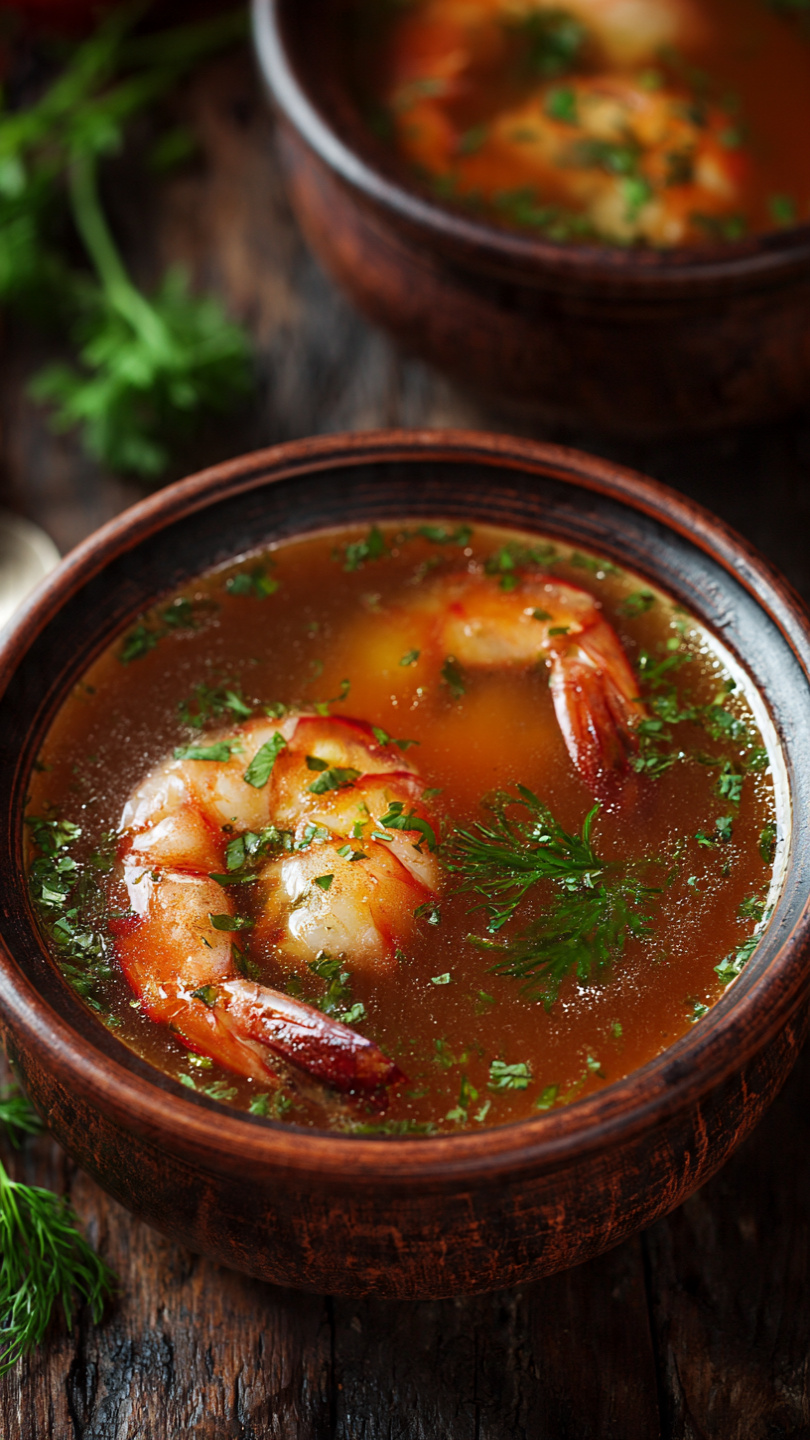
Shrimp Stock from Shells (Rich, Easy Homemade Shrimp Broth)
Learn how to make a deeply flavorful shrimp stock from shells in under an hour using simple pantry ingredients. This easy homemade shrimp broth is the secret weapon behind incredible seafood soups, risottos, and sauces.

Do Not Throw Away Those Shrimp Shells
If you have been peeling shrimp and tossing the shells in the trash, you have been throwing away liquid gold. Those pink, papery shells are packed with briny, sweet, oceanic flavor, and with just 45 minutes and a handful of vegetables you probably already have, you can transform them into a rich, restaurant-worthy homemade shrimp stock that will completely change the way you cook seafood at home.
This is the kind of recipe professional chefs guard closely. A good homemade shrimp broth is the difference between a shrimp soup that tastes like something you ordered at a waterfront restaurant and one that just tastes... fine. Once you learn how to make shrimp stock from shells, you will never let another shell go to waste.
Good stock starts with the right setup. A heavy-bottomed stockpot or Dutch oven gives you even heat distribution, which helps toast the shells without scorching them. A fine mesh strainer is non-negotiable for a clean, clear broth. These are the tools and ingredients that genuinely make a difference in this recipe:
Why Toasting the Shells Matters
The single most important technique in this shrimp stock recipe is toasting the shells before adding any liquid. When the shells hit a hot, lightly oiled pan, something called the Maillard reaction kicks in. The shells caramelize slightly, releasing compounds that give the stock a deeper, nuttier, more complex flavor than you would ever get from just simmering them raw.
You will know it is working when the shells turn a deeper shade of coral-red and your kitchen starts smelling like the best seafood restaurant you have ever walked into.
Chef's Tip: If you have shrimp heads, use them. They contain a fat pocket near the top called the tomalley that releases incredible flavor and a gorgeous orange color into the stock. Heads are the secret behind truly exceptional homemade shrimp broth.
Building Flavor Layer by Layer
Beyond the shells, this shrimp stock recipe easy enough for any weeknight follows the classic French mirepoix approach: onion, celery, and carrot as the aromatic base. These three vegetables add sweetness and body without overpowering the delicate shellfish flavor.
A few optional additions take it even further:
- Tomato paste adds color and a whisper of acidity that rounds out the broth
- Dry white wine deglazes the pan and adds brightness
- Parsley stems (not the leaves) contribute a clean, herbal note without muddiness
- Whole black peppercorns add gentle heat
Chef's Tip: Keep the simmer gentle. A rolling boil will make your stock cloudy and can introduce a slightly bitter edge from the shells. Low and slow is the philosophy here, even if the cooking window is short.
One important note on timing: unlike chicken or beef stock, shrimp stock should never simmer for more than 45 minutes. The shells break down quickly and can turn bitter if cooked too long. This is one of the few stocks where restraint is rewarded.
How To Make Shrimp Stock From Shrimp Shells: Tips For Success
Before you dive into the recipe card, here are a few things that separate a good homemade shrimp stock from a great one:
- Save shells in the freezer. Collect shells in a zip-top freezer bag over several weeks until you have enough. Frozen shells work perfectly and this is the most economical way to make homemade shrimp broth recipe after recipe.
- Start with cold water. Adding cold water to the pot instead of hot water draws the gelatin and flavor compounds out of the shells more gradually, producing a cleaner, more balanced stock.
- Do not add too much salt upfront. The stock will reduce when you use it in other recipes. Season lightly now and adjust later in whatever dish you are making.
- Press the solids when straining. Use the back of a ladle to gently press the cooked shells and vegetables against the strainer. You will extract a surprising amount of extra liquid and flavor.
These small adjustments are what elevate a simple shrimp broth recipe into something you will want to make on repeat.
Ready to make it? Here is the full step-by-step recipe for rich, easy homemade shrimp stock:
Shrimp Stock from Shells (Rich, Easy Homemade Shrimp Broth)
Learn how to make a deeply flavorful shrimp stock from shells in under an hour using simple pantry ingredients. This easy homemade shrimp broth is the secret weapon behind incredible seafood soups, risottos, and sauces.
Ingredients
- 2 cups shrimp shells and heads, from about 1 lb of shrimp, raw or cooked
- 1 tbsp olive oil, extra virgin
- 1 yellow onion, roughly chopped, skin on is fine
- 2 celery stalks, roughly chopped, leaves included
- 1 medium carrot, roughly chopped, no need to peel
- 4 garlic cloves, smashed, skin on
- 1 tbsp tomato paste, optional but adds depth and color
- 1/2 cup dry white wine, optional; sub with extra water
- 6 cups cold water, cold water draws out more flavor
- 2 bay leaves, dried
- 1 tsp black peppercorns, whole
- 6 fresh parsley stems, stems preferred over leaves
- 1/2 tsp kosher salt, add more to taste at the end
Instruction
Heat the olive oil in a large stockpot or Dutch oven over medium-high heat. Add the shrimp shells and cook, stirring occasionally, for 3 to 5 minutes until they turn pink and begin to smell toasted and fragrant.
Add the onion, celery, carrot, and garlic. Stir everything together and cook for another 3 minutes until the vegetables begin to soften.
If using tomato paste, push the shells and vegetables to the sides and add the paste to the center of the pot. Let it cook undisturbed for 1 minute, then stir everything together. This step deepens the color and adds a subtle sweetness.
Pour in the white wine if using and scrape up any browned bits from the bottom of the pot. Let it cook for 2 minutes until the alcohol smell mellows.
Add the cold water, bay leaves, black peppercorns, and parsley stems. Bring to a gentle boil over high heat.
Reduce the heat to low and simmer uncovered for 30 to 35 minutes. Do not let it boil aggressively as this can make the stock cloudy and slightly bitter.
Remove from heat. Taste and add salt as needed.
Strain the stock through a fine mesh strainer into a large bowl or container, pressing gently on the solids to extract as much liquid as possible. Discard the solids.
Let the stock cool to room temperature, then transfer to airtight containers. Use immediately, refrigerate for up to 4 days, or freeze for up to 3 months.
Equipment
- Large stockpot or Dutch oven
- Fine mesh strainer
- Large mixing bowl
- Wooden spoon or silicone spatula
- Ladle
- Airtight containers or freezer bags for storage
Notes
How To Use Your Homemade Shrimp Stock
Now comes the best part. Once you have a batch of this shrimp stock in your fridge or freezer, the possibilities open up in a really satisfying way.
Uses for shrimp stock include:
- Homemade Shrimp Soup Recipe: Use the stock as the base for a classic shrimp and vegetable soup or a creamy shrimp bisque. The depth of flavor is incomparable.
- Shrimp Risotto: Replace chicken broth cup for cup with this shrimp broth and the difference is dramatic.
- Seafood Gumbo and Jambalaya: Both dishes benefit enormously from a shellfish base.
- Pasta Sauces: Deglaze a pan of sauteed shrimp with a splash of this stock and finish with butter for an instant, elegant pan sauce.
- Shrimp and Grits: Cook the grits in a mixture of shrimp stock and cream for an unforgettable result.
- Paella: Traditional paella calls for seafood stock, and this homemade version will make yours taste deeply authentic.
Store your finished stock in 1-cup or 2-cup freezer-safe containers so you can pull out exactly what a recipe calls for without thawing a large batch. Labeled and frozen, it keeps beautifully for up to three months and is always ready to make your next seafood dish taste like it came from a proper kitchen.