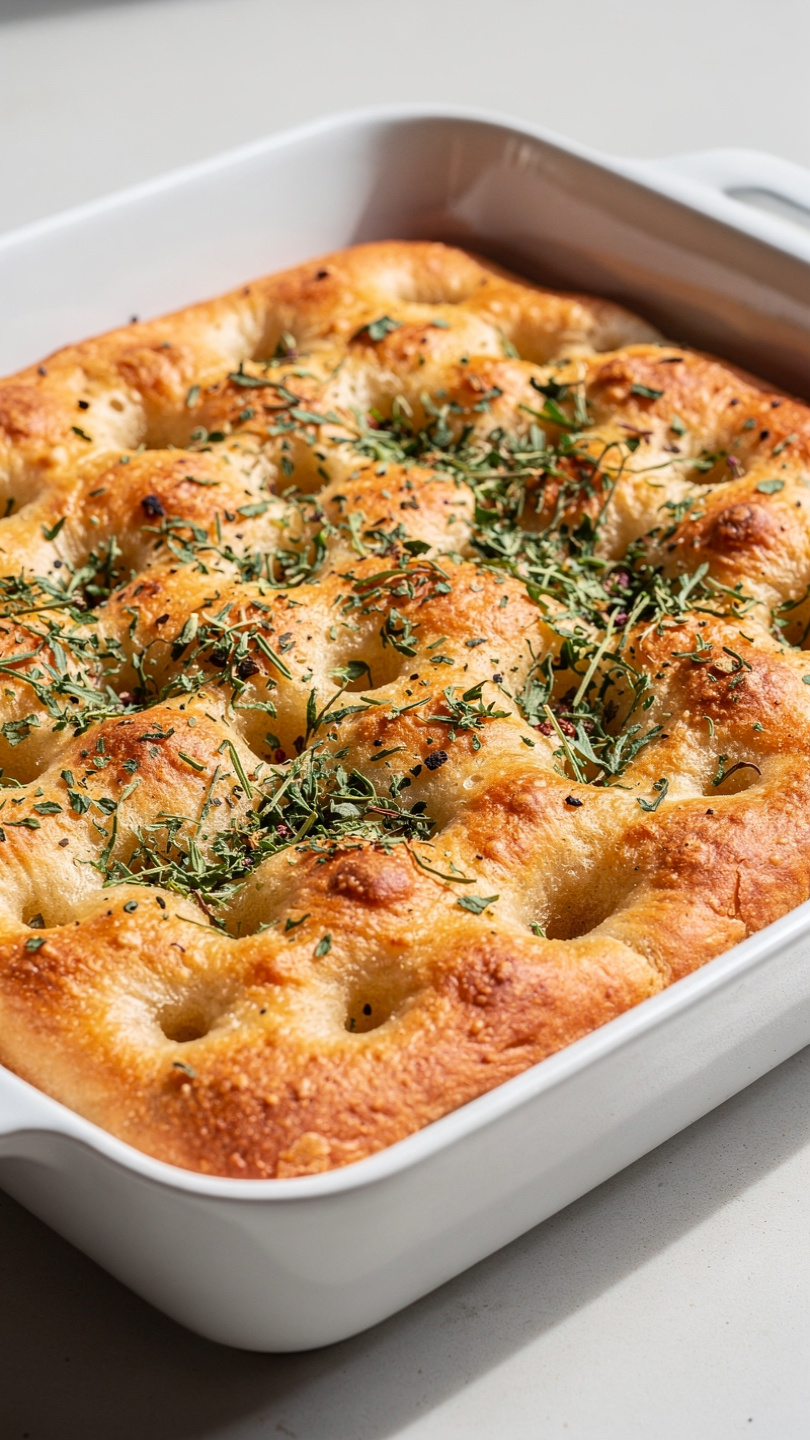
Sourdough Focaccia Bread (Crispy, Airy, and Incredibly Easy)
This easy sourdough focaccia bread recipe delivers a golden, crispy crust with a pillowy, airy crumb using nothing but your sourdough starter. Perfect for same-day baking or an overnight cold proof.

The Sourdough Focaccia You Will Make Over and Over Again
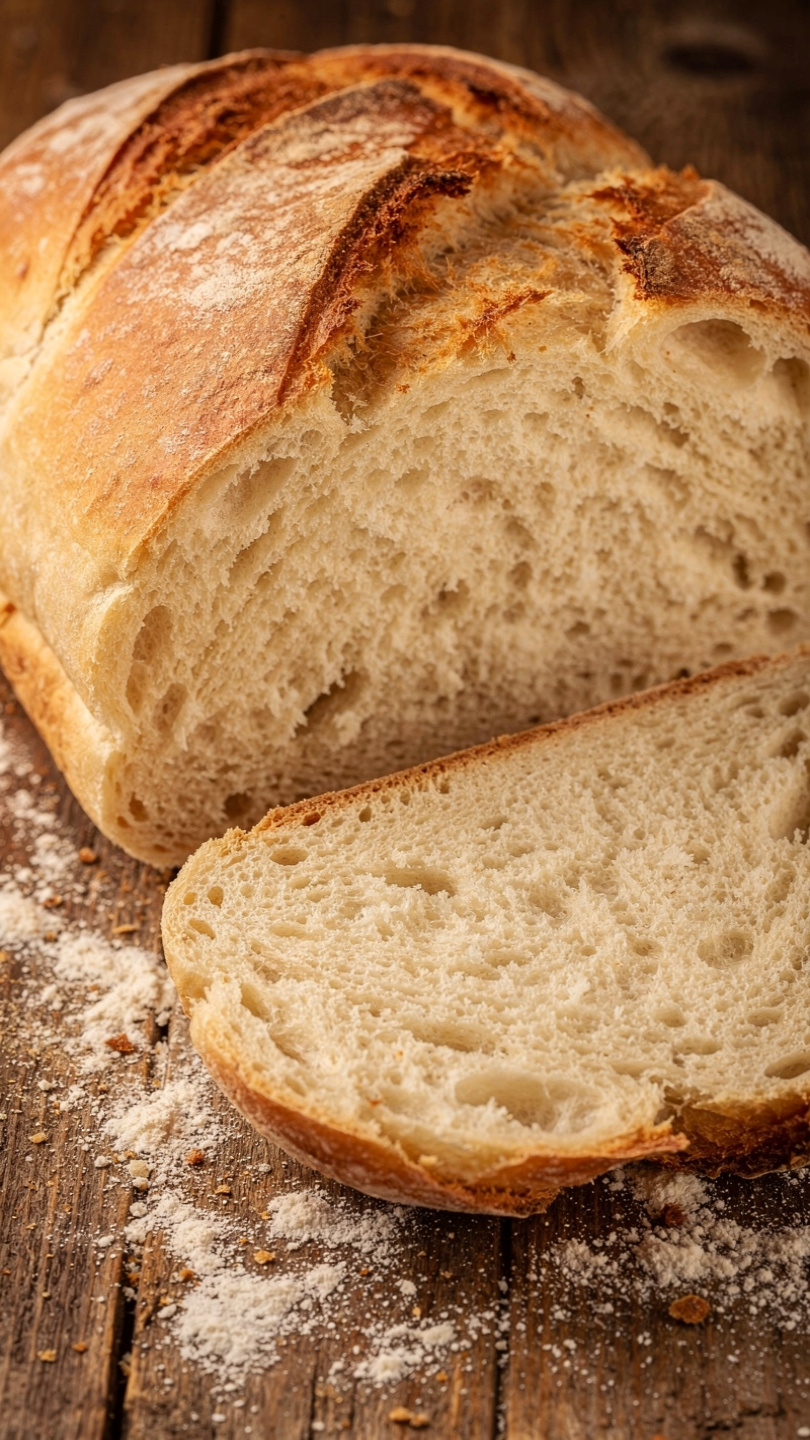
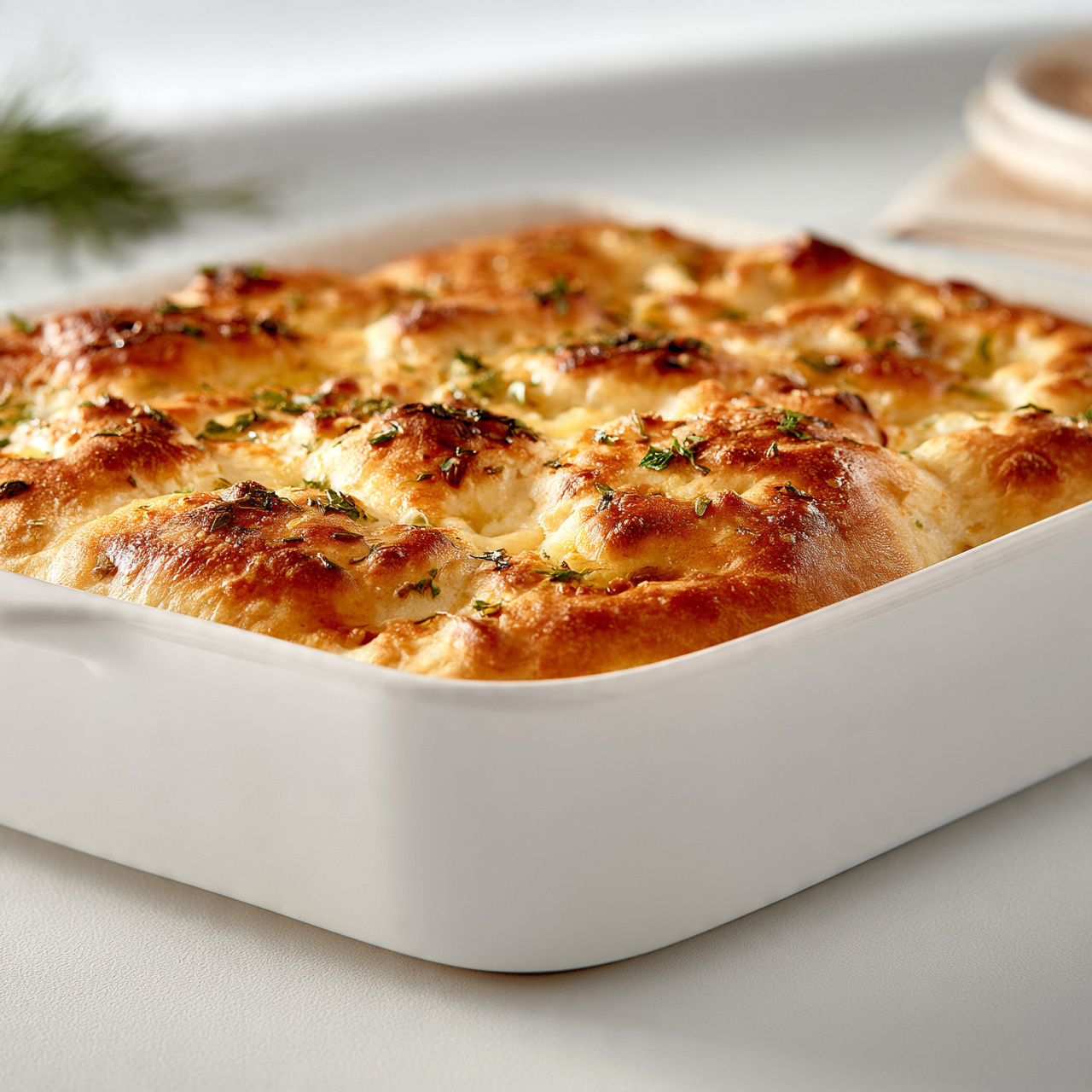
If you have been sitting on a sourdough starter, wondering what to bake besides a classic loaf, this sourdough focaccia bread is your answer. It is forgiving, deeply flavorful, and produces one of the most satisfying bakes you can pull out of a home oven. We are talking a shatteringly crispy bottom, a golden dimpled top glistening with olive oil, and an interior that is pillowy, open-crumbed, and just chewy enough to make you tear off another piece before the first one is gone.
This focaccia sourdough recipe works two ways: as an easy sourdough focaccia same-day bake when your schedule is tight, or as an sourdough focaccia overnight cold-proofed version that develops a more complex, tangy flavor profile while you sleep. Both paths lead to the same beautiful result.
Why Sourdough Starter Makes the Best Focaccia
You might wonder why this recipe calls for focaccia with sourdough starter rather than a packet of commercial yeast. The difference is in the flavor and the texture. Sourdough fermentation breaks down the flour slowly, creating organic acids that give the bread a subtle tang you simply cannot fake. The long fermentation also improves digestibility and develops a more complex crumb structure.
This is not sourdough bread that tastes sour in an aggressive way. It is more of a gentle, background depth, like the difference between a good wine vinegar and a flat one. Once you try it, commercial yeast focaccia will feel one-dimensional by comparison.
Chef's Tip: Your starter must be at peak activity when you mix this dough. Feed it 4 to 8 hours before you plan to bake. It should be bubbly, domed, and pass the float test. A sluggish starter means a slow, unpredictable rise.
The Tools and Ingredients That Actually Matter Here
Focaccia is a simple bread, but a few good choices make a real difference. A high-quality extra virgin olive oil is not optional here. It is a primary flavor. A light metal 9x13 inch baking pan with low sides is also worth having for even browning and that iconic crispy bottom crust.
Same-Day vs. Overnight: Which Method Is Right for You?
The beauty of this easy sourdough focaccia bread recipe is its flexibility.
Same-day sourdough focaccia is ideal when:
- Your kitchen is warm (74 to 78 degrees F)
- Your starter is extremely active
- You want fresh focaccia by dinner tonight
Sourdough focaccia overnight (cold proof) is ideal when:
- You want maximum flavor and complexity
- You prefer to do the work the night before
- You want a reliable schedule without watching the clock
Both methods use the exact same dough. The only difference is whether the final pan proof happens at room temperature or in the refrigerator. Beginners often find the overnight method easier because the cold slows everything down, giving you more control.
How to Get That Perfect Dimpled Crust
This is the step that most people underdo. When it is time to dimple the dough, oil your fingers generously and press firmly and confidently all the way to the bottom of the pan. You want deep, dramatic dimples that will hold little pools of olive oil as the bread bakes. Those pools are what create the iconic crispy-yet-tender surface.
Do not tap gently. Press decisively. The dough is resilient and will not deflate.
Warning: If you skip the generous oiling of both the pan and your fingertips, the dough will stick to your hands and drag, tearing the surface instead of dimpling it cleanly.
For toppings, classic rosemary and flaky sea salt is a perfect starting point. But once you understand how to make sourdough focaccia, you can customize freely:
- Caramelized onions and thyme
- Cherry tomatoes and fresh basil
- Olives, capers, and lemon zest
- Roasted garlic and Parmesan
A Note on the Dough Hydration
First-timers are often alarmed by how wet and sticky focaccia dough is. This is correct and intentional. A high-hydration dough is what produces the open, airy crumb that makes focaccia so distinctive. Do not add extra flour. Instead, use a dough scraper, keep your hands lightly oiled during stretch and folds, and trust the process.
Using a kitchen scale to measure your flour by weight rather than cups is the single best thing you can do to ensure the right dough consistency every time.
Ready to bake the best focaccia of your life? Here is the complete step-by-step recipe:
Sourdough Focaccia Bread (Crispy, Airy, and Incredibly Easy)
This easy sourdough focaccia bread recipe delivers a golden, crispy crust with a pillowy, airy crumb using nothing but your sourdough starter. Perfect for same-day baking or an overnight cold proof.
Ingredients
- 4 cups bread flour, plus more for dusting
- 3/4 cup active sourdough starter, fed and bubbly, at peak activity
- 1 1/2 cups warm water, around 80 degrees F
- 2 tsp fine sea salt
- 6 tbsp extra virgin olive oil, divided, use a good-quality oil for best flavor
- 1 tsp flaky sea salt, for topping, such as Maldon
- 4 fresh rosemary sprigs, leaves stripped, optional topping
- 3 garlic cloves, thinly sliced, optional topping
Instruction
In a large mixing bowl, combine the warm water and active sourdough starter. Whisk together until the starter is fully dissolved and the mixture looks slightly foamy.
Add the bread flour and fine sea salt. Mix with your hands or a dough scraper until no dry flour remains. The dough will look shaggy and rough at this stage. That is perfectly fine.
Drizzle 2 tablespoons of olive oil over the dough and fold it over itself a few times in the bowl. Cover the bowl tightly with plastic wrap or a damp kitchen towel.
Let the dough rest at room temperature for 30 minutes. Then perform a set of stretch and folds: grab one side of the dough, stretch it up as high as it will go without tearing, and fold it over the center. Rotate the bowl 90 degrees and repeat. Do this 4 times around the bowl. That is one set.
Repeat the stretch and fold process 3 more times, once every 30 minutes, for a total of 4 sets over 2 hours. After the final set, cover the dough and let it bulk ferment at room temperature until it has grown by about 50 to 75 percent and looks bubbly and domed. This typically takes 4 to 8 hours depending on your kitchen temperature and starter strength.
Pour 2 tablespoons of olive oil into a 9x13 inch baking pan and spread it to coat the bottom and sides generously. Gently turn the dough out into the pan. Fold the dough over itself once or twice, then flip it so the seam side is down. Drizzle the top with the remaining 2 tablespoons of olive oil.
For a same-day focaccia: let the dough rest in the pan at room temperature for 2 to 4 hours until it relaxes and fills the pan. For an overnight focaccia: cover the pan with plastic wrap and refrigerate for 8 to 16 hours. Remove from the fridge 1 hour before baking.
Preheat your oven to 450 degrees F (230 degrees C). Once the dough has relaxed and filled the pan, oil your fingertips generously and press them firmly into the dough all the way to the bottom of the pan, creating deep dimples across the entire surface. Do not be shy here.
Scatter the flaky sea salt, fresh rosemary leaves, and sliced garlic over the top. Press the toppings very lightly into the dimples.
Bake for 22 to 26 minutes, until the top is deep golden brown and the edges are crispy. The bottom should sound hollow when tapped. Let the focaccia rest in the pan for 5 minutes, then transfer to a wire rack. Slice and serve warm.
Equipment
- Large mixing bowl
- 9x13 inch baking pan (light or dark metal both work)
- Dough scraper
- Plastic wrap or damp kitchen towel
- Wire cooling rack
- Kitchen scale (recommended for accuracy)
Notes
Serving, Storing, and Variations
Sourdough focaccia is best eaten warm, the day it is baked. Serve it as:
- A bread course with whipped ricotta or good butter
- A sandwich base sliced horizontally and filled with cured meats and cheese
- A side alongside soups, stews, or a simple green salad
- Torn and dipped into high-quality olive oil and balsamic
Leftovers reheat beautifully in the oven at 375 degrees F for 5 to 7 minutes. Avoid the microwave, which turns the crust rubbery. You can also freeze fully baked, cooled slices for up to 2 months and reheat directly from frozen.
Once this focaccia sourdough recipe becomes part of your regular rotation, you will find yourself keeping your starter more consistently active just to have an excuse to make it again.