Sourdough Cheese Bread (Crusty Dutch Oven Cheddar Loaf)
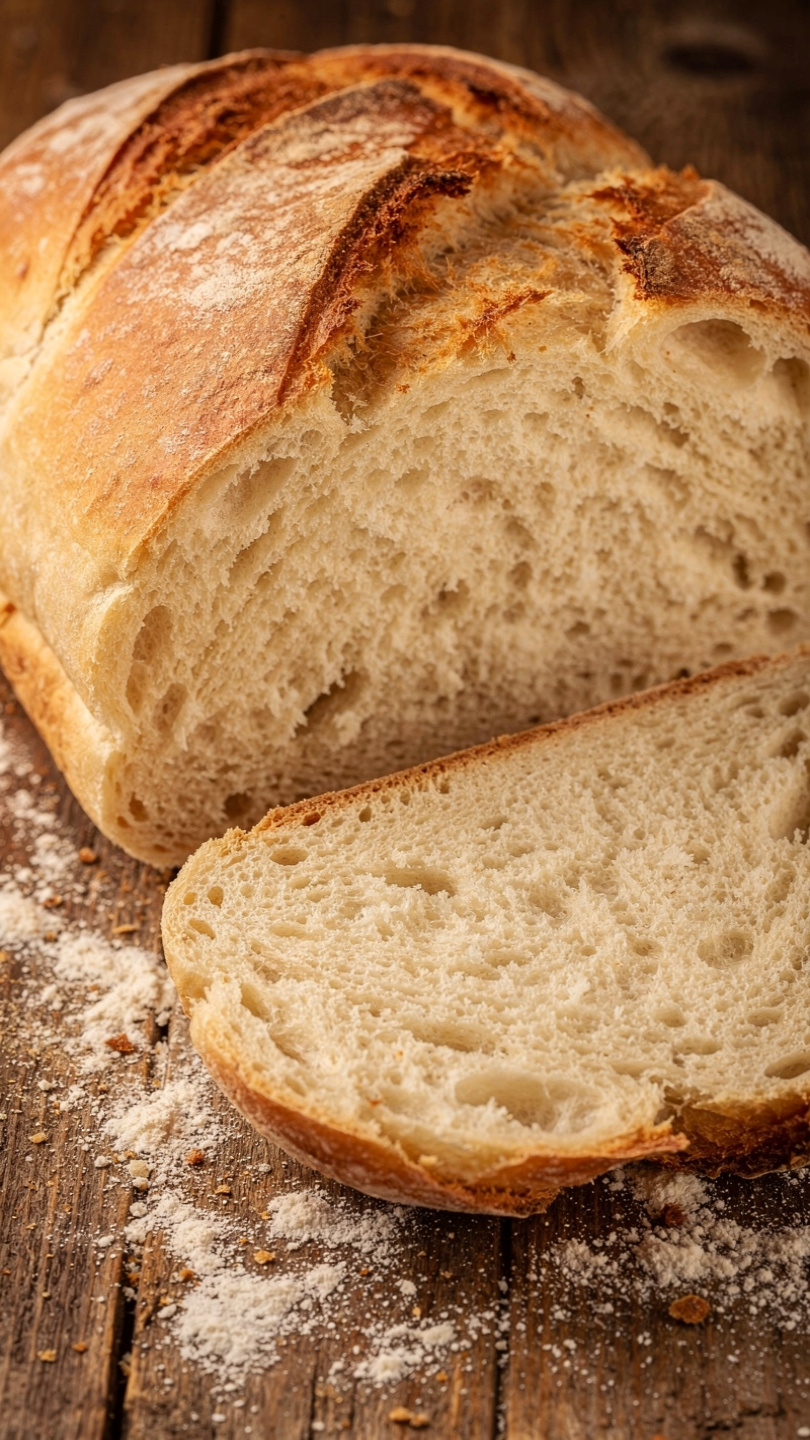
This sourdough cheese bread bakes up with a shatteringly crisp crust, a pillowy open crumb, and pockets of melted cheddar throughout. Made in a Dutch oven for bakery-level results right at home.

The Sourdough Cheese Bread You Will Want to Bake Every Single Weekend
If you have ever pulled a loaf out of a Dutch oven and felt a wave of pride so strong it almost knocked you over, you already know what this recipe is about. This sourdough cheese bread has everything going for it: a crust that shatters when you tap it, a chewy, open crumb shot through with melted pockets of sharp cheddar, and a tang that makes plain butter taste like the best decision you have made all week.
This is not your average easy bread recipe with a Dutch oven. This is the kind of loaf that makes people stop mid-conversation when you set it on the table. The kind people photograph before they eat it. We are talking serious, bakery-level results using nothing but your hands, a bowl, and one trusty piece of cast iron.
Why the Dutch Oven Is Non-Negotiable
If you have been poking around Dutch oven bread variations online, you have probably noticed one thing: the Dutch oven is always there. And for good reason. When you drop your shaped dough into a screaming-hot cast iron Dutch oven and clamp the lid on, you create a mini steam chamber inside your home oven. That trapped moisture keeps the crust soft and pliable during the critical first phase of baking, allowing the loaf to fully expand before the crust sets. The result is the dramatic oven spring and blistered, caramelized exterior that makes sourdough look and taste the way it does.
For cheddar bread specifically, that enclosed environment also helps the cheese melt evenly into the crumb rather than burning off the surface.
The right tools genuinely transform this bake from good to exceptional. A well-seasoned 5 to 6 quart cast iron Dutch oven, a sharp bread lame for scoring, and a banneton for the cold proof all make a measurable difference in your final loaf.
Choosing Your Cheese (This Part Matters)
The recipe calls for sharp cheddar, and there is a reason for that. Mild cheddar melts fine but contributes very little flavor to the finished loaf, and after a long ferment and a high-heat bake, you want a cheese with personality. Sharp or extra-sharp cheddar gives you those golden, lacy, slightly caramelized cheese pockets inside the crumb and along the crust that make every slice genuinely exciting.
For a cheddar pretzel sourdough loaf effect, try brushing the top of the cold dough with a light baking soda wash right before you score it. It deepens the color of the crust and adds a subtle pretzel-like chew that pairs beautifully with the tang of the sourdough.
Other cheeses worth trying:
- Gruyere for a nutty, mellow richness
- Smoked gouda for depth and a campfire warmth
- Pepper jack if you want a gentle heat threaded through every bite
- A cheddar and gouda blend for the best of both worlds
Chef's Tip: Always shred your own cheese from a block. Pre-shredded cheese is coated in anti-caking agents that prevent it from melting smoothly into the dough. Fresh-shredded cheddar creates those gorgeous gooey pockets that make this bread so irresistible.
Understanding the Timeline
This is not a same-day loaf, and that is actually its greatest advantage. The bulk of the work happens passively. Here is a simple way to think about the schedule:
Day 1 (morning or afternoon):
- Mix and bulk ferment the dough over about 5 to 6 hours with periodic stretch and fold sets
- Shape the loaf and place it in the refrigerator
Day 2 (morning):
- Preheat your Dutch oven bread sweet spot, which is a full 45 minutes at 500 degrees F
- Bake the cold dough straight from the fridge
- Cool and slice
The overnight cold proof is not just convenient, it actually improves the bread. The slow, cold fermentation develops a deeper, more complex tang and makes the dough much easier to score cleanly.
Important: Do not skip the full 1-hour cool after baking. The interior of the loaf is still cooking via carryover heat as it cools. Slicing too soon releases that steam and leaves you with a gummy, undercooked crumb, even if the crust looks perfect.
Common Questions Before You Bake
Is my starter ready? Your sourdough starter should have at least doubled in size since its last feeding and smell pleasantly tangy with a yeasty, almost fruity note. If it smells more like acetone or nail polish remover, it is likely over-fermented. Feed it again and give it another 4 to 8 hours.
What if my dough feels too sticky? Resist the urge to add a lot of extra flour. High-hydration doughs are naturally tacky and that moisture is what gives you an open, airy crumb. Use a bench scraper and lightly floured hands for shaping instead.
Can I make this as an easy bread recipe with a Dutch oven for beginners? Yes, with patience. The stretch and fold technique requires no kneading, and the cold proof makes the timing flexible. If this is your first sourdough loaf, focus on reading the dough rather than watching the clock.
Ready to get this bread? Here is the full step-by-step recipe:
Sourdough Cheese Bread (Crusty Dutch Oven Cheddar Loaf)
This sourdough cheese bread bakes up with a shatteringly crisp crust, a pillowy open crumb, and pockets of melted cheddar throughout. Made in a Dutch oven for bakery-level results right at home.
Ingredients
- 3 1/2 cups bread flour, plus more for shaping
- 3/4 cup active sourdough starter, fed and bubbly, at peak activity
- 1 1/4 cups warm water, around 85 degrees F
- 1 1/2 tsp fine sea salt
- 1 1/2 cups sharp cheddar cheese, freshly shredded, divided
- 1 tbsp olive oil, for greasing the bowl
Instruction
In a large mixing bowl, combine the sourdough starter and warm water. Stir until the starter is fully dissolved into the water.
Add the bread flour and salt. Mix with your hand or a dough scraper until no dry flour remains. The dough will feel shaggy and rough at this stage. Cover the bowl and let it rest for 30 minutes.
Perform your first set of stretch and folds: grab one side of the dough, stretch it up, and fold it over the center. Rotate the bowl 90 degrees and repeat three more times. That is one set. Perform 4 sets total, spaced 30 minutes apart over the first 2 hours.
After the final fold, scatter 1 cup of the shredded cheddar over the dough and fold it in gently using the same stretch-and-fold motion. Cover and let the dough bulk ferment at room temperature for an additional 3 to 4 hours, until it has grown by about 50 percent and looks puffy with visible bubbles.
Lightly flour your work surface. Gently turn the dough out and shape it into a tight round boule by folding the edges toward the center and then flipping it seam-side down. Use a bench scraper to tighten the surface tension by dragging the boule toward you.
Line a medium bowl or banneton with a floured kitchen towel. Place the dough seam-side up into the bowl. Sprinkle the remaining 0.5 cup of cheddar on top of the exposed dough. Cover loosely with plastic wrap and refrigerate overnight, or for at least 8 hours and up to 18 hours.
When you are ready to bake, place your Dutch oven (with its lid) inside the oven and preheat to 500 degrees F (260 degrees C) for at least 45 minutes.
Cut a piece of parchment paper to fit your Dutch oven. Carefully flip the cold dough out of the banneton onto the parchment, seam-side down. Score the top of the loaf with a sharp bread lame or razor blade in one confident slash.
Using oven mitts, carefully remove the hot Dutch oven. Lower the parchment with the dough into it. Place the lid back on and bake covered for 20 minutes.
Remove the lid and reduce the oven temperature to 450 degrees F (230 degrees C). Continue baking for 25 to 30 more minutes, until the crust is a deep golden brown and the cheese patches are caramelized and slightly crispy.
Transfer the loaf to a wire cooling rack. Let it cool for at least 1 hour before slicing. Cutting too soon will make the crumb gummy.
Equipment
- Large mixing bowl
- Bench scraper
- Banneton proofing basket or medium bowl with a kitchen towel
- 5 to 6 quart Dutch oven with lid
- Bread lame or sharp razor blade
- Parchment paper
- Wire cooling rack
- Oven mitts
Notes
Serving Ideas and Storage
This loaf is a meal in itself torn apart while still warm with salted butter, but it also works beautifully alongside a bowl of tomato soup, a hearty stew, or a grazing board loaded with cured meats and pickles. Thin slices make exceptional toast, especially under a fried egg.
For storage, keep the loaf cut-side down on a wooden cutting board at room temperature. It will stay fresh for up to 2 days. After that, slice and freeze the remainder so nothing goes to waste. Frozen slices reheat in the oven in under 10 minutes and taste remarkably close to fresh.
Once you bake this sourdough cheese bread, the Dutch oven bread variations become almost irresistible to explore. Rosemary and sea salt, roasted garlic and parmesan, jalapeno and cheddar. The method stays exactly the same. The possibilities are genuinely endless.