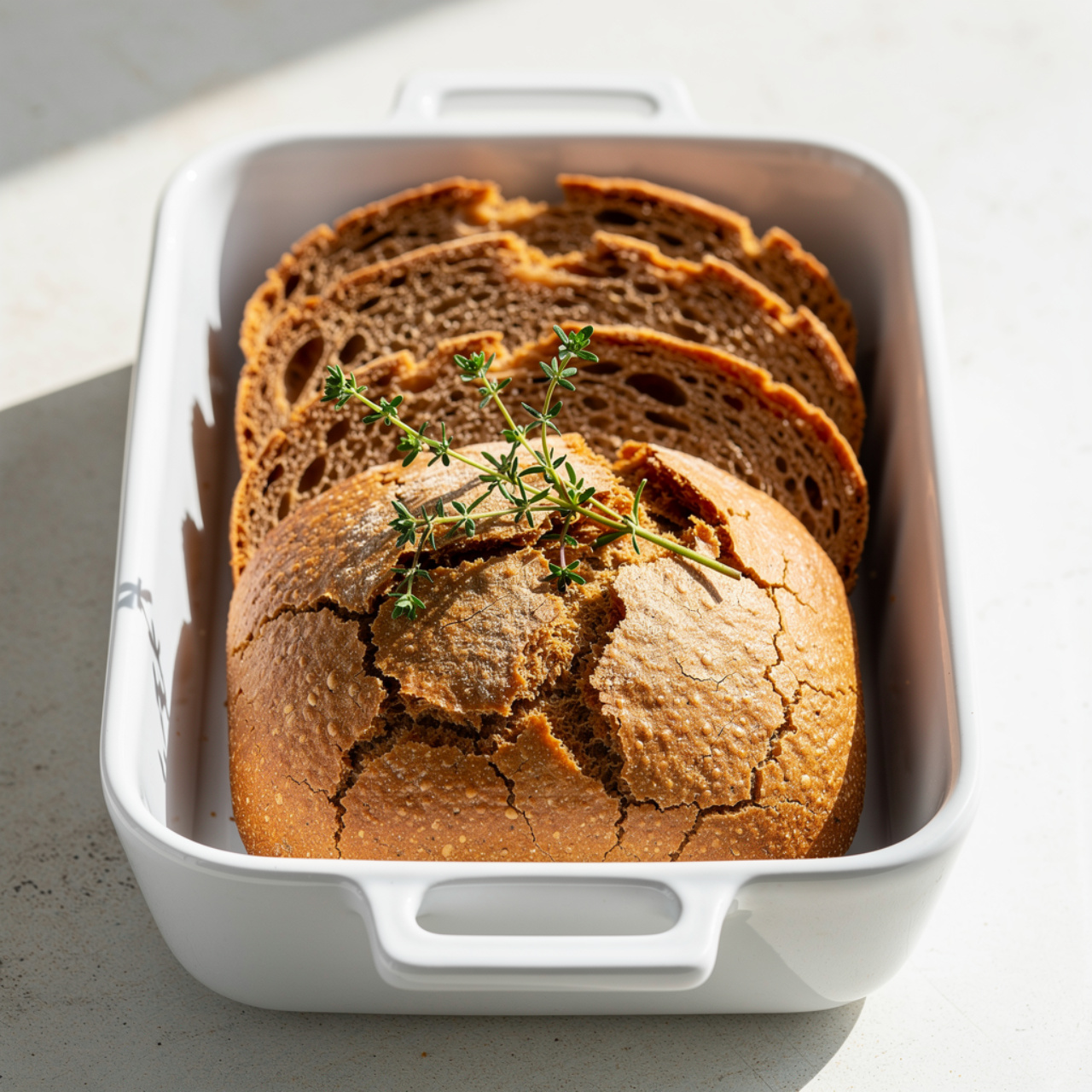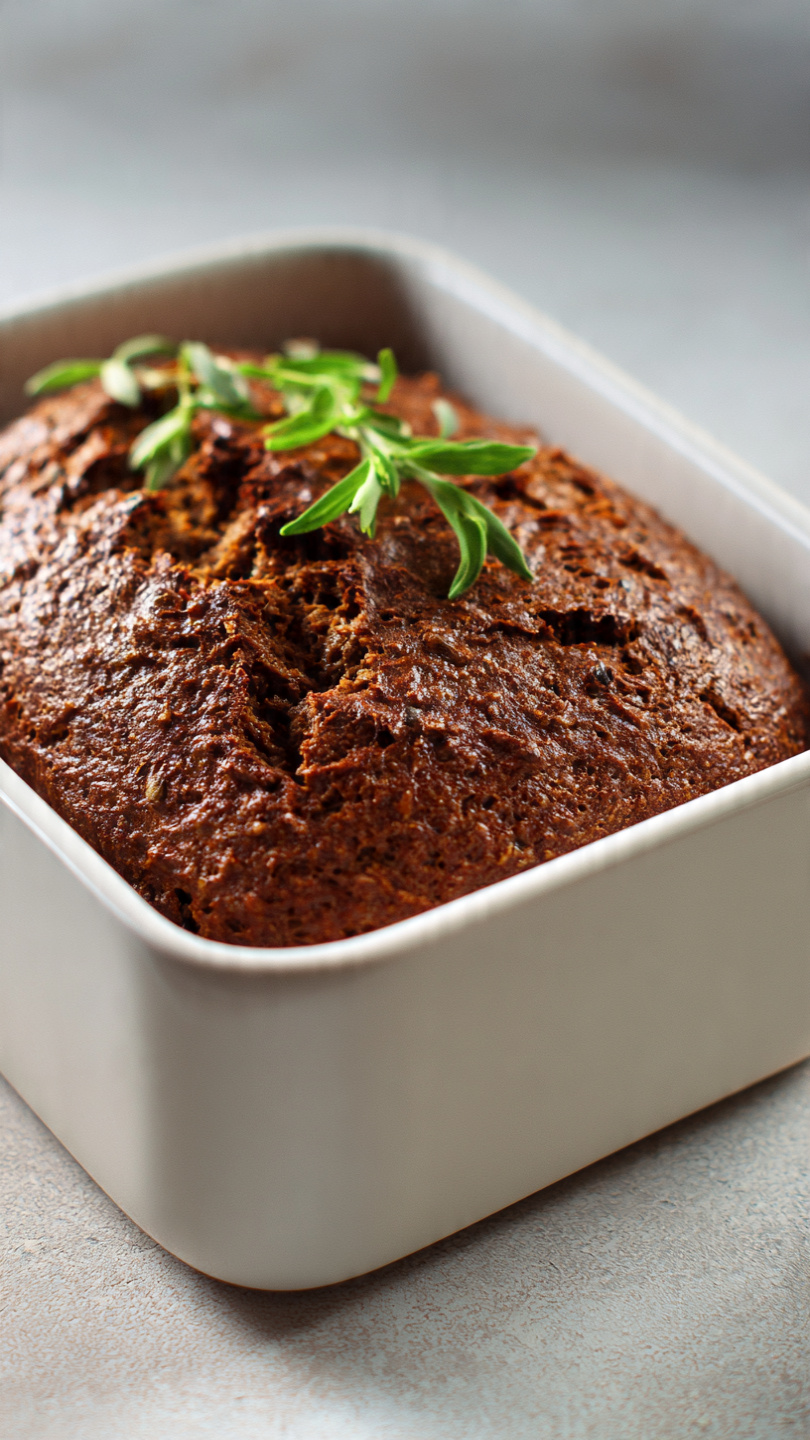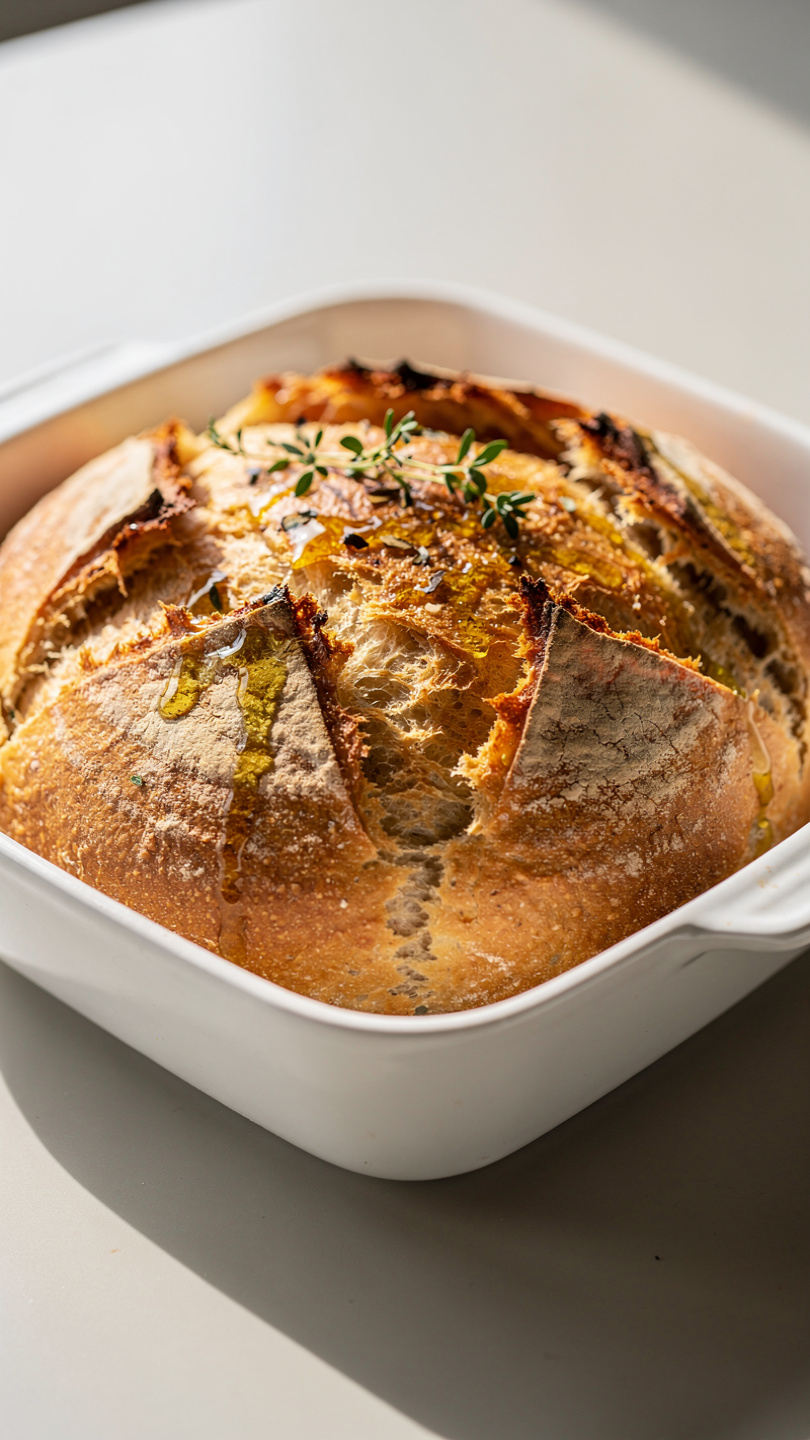
Sourdough Croissant Bread (Flaky, Buttery Sourdough Loaf)
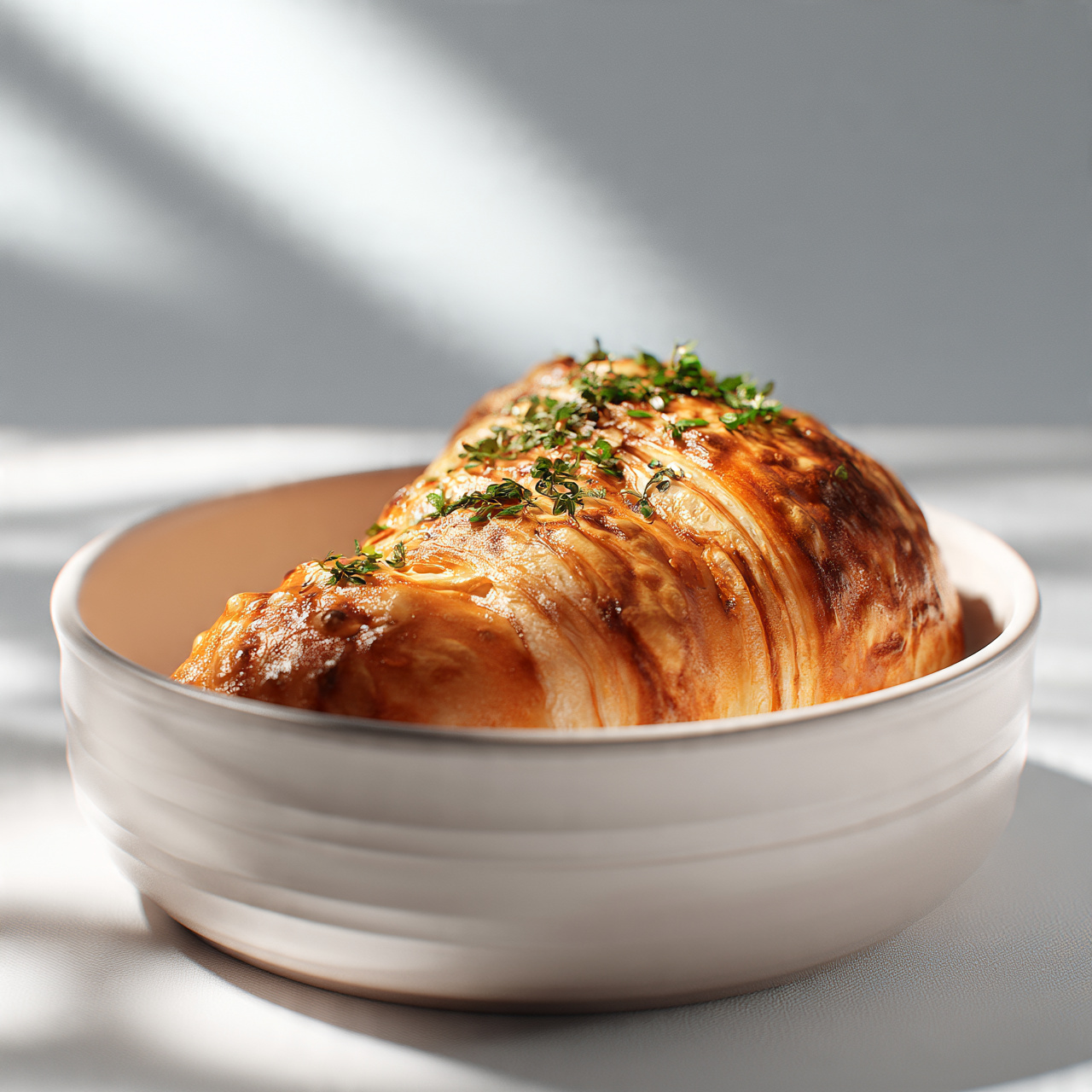
This sourdough croissant bread combines the tangy depth of a classic sourdough loaf with the irresistibly flaky, buttery layers of a croissant. It's the showstopping sourdough recipe idea you never knew you needed.

The Sourdough Loaf You Will Be Obsessed With All Week
If you have ever stood in a bakery, watched a perfectly laminated pastry come out of the oven, and thought why can't my homemade bread do that, this recipe is your answer. Sourdough croissant bread is exactly what it sounds like: the tangy, chewy soul of a classic sourdough loaf married to the shatteringly flaky, buttery magic of a croissant, all baked into a sliceable, shareable loaf. It is one of those sourdough recipe ideas that sounds intimidating until you try it and realize it is just a matter of patience and cold butter.
This is not a shortcut recipe. It is a worth every minute recipe. The kind you make on a slow weekend, the kind that fills your kitchen with a warm, yeasty, buttery perfume, and the kind your family will ask for every single week.
What Makes This Different From Regular Sourdough Bread
A classic sourdough loaf is a lean bread. Flour, water, salt, starter. Beautiful in its simplicity. But this crossaint sourdough loaf takes things somewhere else entirely by using a technique called lamination, which is the same method used to make croissants and puff pastry.
Here is what that means for your bread:
- Visible, flaky layers that pull apart in satisfying ribbons
- A rich, buttery crumb that is still open and slightly tangy from the sourdough starter
- A golden, lacquered crust with just enough chew to remind you this is still a loaf of bread
- A versatile slice that works for everything from breakfast toast to a sandwich board at dinner
Think of it as the best parts of Amy Bakes Bread croissant bread energy, brought into your own kitchen with a recipe that is clear enough to actually follow.
Before we get into the method, let's talk tools and ingredients. For laminated doughs like this one, a reliable rolling pin, a good bench scraper, and a proper 9 by 5 inch loaf pan make a real difference between frustration and joy. European-style butter with a higher fat content is also non-negotiable here since it is what gives the layers their structure and flavor.
The Secret to Perfect Lamination (Even for Beginners)
The word "lamination" can sound scary, but the concept is simple: you fold cold butter into dough in repeated layers. Cold is the operative word. If your butter melts into the dough, you lose the layers. If your dough warms up too much, pop it back in the fridge. No drama.
Here is the process broken down:
- Make the enriched sourdough dough and let it bulk ferment until puffy
- Beat cold butter into a flat block between parchment sheets
- Encase the butter in the dough and roll it out into a long rectangle
- Fold, chill, repeat three times total
- Roll into a log and place in your loaf pan to proof
Chef's Tip: Between each fold, the dough must rest in the refrigerator for at least 30 minutes. Skipping this step is the number one reason layers disappear. The butter needs to stay cold and firm, not soft and greasy.
This is also where your sourdough loaf add-ins can shine. After the final lamination fold, roll the dough out and brush it with a thin layer of cinnamon honey, sprinkle on some cheese, or dust it with everything seasoning before rolling it into its log. These sourdough crescent bread-style flavor ideas are endlessly riffable.
Fermentation and Timing: Working With Your Starter
This recipe is designed to be flexible around your schedule. Here are the two main paths:
Weekend bake (same day): Bulk ferment at room temperature for 4 to 6 hours, laminate, shape, and proof for another 3 to 5 hours before baking. Start in the morning, bake by evening.
Overnight bake (fridge friendly): Bulk ferment overnight in the fridge, laminate in the morning, shape, and either proof at room temperature or refrigerate the shaped loaf for another overnight proof. This approach deepens the sour dough croissant bread flavor significantly and makes the butter layers much easier to handle.
Important: Your starter should be bubbly and at peak activity before you mix the dough. A sluggish starter means a dense loaf. If you are working with sourdough discard meals and want to use discard here, add a small pinch of commercial yeast to help things along.
Sourdough Croissant Bread Add-In Ideas
One of the most fun parts of this recipe is customizing the layers. Some of the best add-ins for sourdough bread in this laminated style include:
- Sweet: Cinnamon sugar with a drizzle of honey, brown butter and cardamom, or lemon zest and vanilla sugar
- Savory: Gruyere and fresh thyme, roasted garlic and rosemary, sun-dried tomatoes and parmesan
- Simple: A sprinkle of flaky salt and nothing else, because this bread is already exceptional plain
These sourdough recipe ideas make the loaf feel new every time you bake it, which is ideal because once you make this once, you will be making it on repeat.
Ready to bake your new favorite loaf? Here is the complete step-by-step recipe:
Sourdough Croissant Bread (Flaky, Buttery Sourdough Loaf)
This sourdough croissant bread combines the tangy depth of a classic sourdough loaf with the irresistibly flaky, buttery layers of a croissant. It's the showstopping sourdough recipe idea you never knew you needed.
Ingredients
- 3 1/2 cups bread flour, plus more for dusting
- 3/4 cup active sourdough starter, fed and bubbly, at peak activity
- 1/2 cup whole milk, warm, around 90 degrees F
- 1/4 cup water, lukewarm
- 2 tbsp granulated sugar
- 1 1/2 tsp fine sea salt
- 1 large egg, room temperature, for the dough
- 1/2 cup unsalted European-style butter, softened, for the dough
- 3/4 cup unsalted European-style butter, cold, cut into thin slabs, for lamination
- 1 large egg, beaten with 1 tbsp milk, for egg wash
- 1/2 tsp flaky sea salt, for topping, optional
Instruction
In a large mixing bowl, combine the bread flour, sugar, and salt. Make a well in the center and add the bubbly sourdough starter, warm milk, lukewarm water, and the egg. Mix until a shaggy dough forms.
Add the softened butter in small pieces and knead the dough by hand or with a stand mixer fitted with a dough hook on medium speed for 8 to 10 minutes, until the dough is smooth, elastic, and pulls cleanly away from the sides of the bowl.
Shape the dough into a ball, place it in a lightly oiled bowl, cover with plastic wrap, and let it bulk ferment at room temperature for 4 to 6 hours until noticeably puffy, or refrigerate overnight for a slower, more complex ferment.
While the dough chills or during the last hour of bulk ferment, prepare your butter block. Arrange the cold butter slabs between two sheets of parchment paper and beat with a rolling pin into a flat 6-inch square. Refrigerate until firm but still pliable.
On a lightly floured surface, roll the dough out into a rectangle roughly 12 by 8 inches. Place the cold butter block in the center, fold the dough over it like an envelope, and pinch the edges firmly to seal.
Roll the dough gently into a long rectangle, about 18 by 7 inches. Fold it in thirds like a letter (first fold), wrap in plastic, and refrigerate for 30 minutes. Repeat this rolling and folding process two more times for a total of three folds, chilling 30 minutes between each.
After the final fold, roll the dough into a rectangle about 12 by 8 inches. Roll it up tightly from the short end into a log shape, pinch the seam closed, and place seam-side down into a greased 9 by 5 inch loaf pan.
Cover loosely with oiled plastic wrap and proof at room temperature for 3 to 5 hours, until the dough crowns about 1 inch above the rim of the pan and looks pillowy. Alternatively, refrigerate overnight and bake straight from the fridge.
Preheat your oven to 375 degrees F (190 degrees C). Brush the top of the loaf generously with egg wash and sprinkle with flaky sea salt if desired.
Bake for 35 to 40 minutes, until the loaf is deeply golden brown and an instant-read thermometer inserted in the center reads 190 to 195 degrees F. Tent loosely with foil after 20 minutes if the top is browning too fast.
Let the bread cool in the pan for 10 minutes, then transfer to a wire rack and cool for at least 1 hour before slicing. This rest is essential for the layers to set properly.
Equipment
- Stand mixer with dough hook (or large mixing bowl for hand kneading)
- Rolling pin
- 9x5 inch loaf pan
- Parchment paper
- Plastic wrap
- Pastry brush
- Instant-read thermometer
- Wire cooling rack
- Bench scraper
Notes
Serving and Storing Your Sourdough Croissant Loaf
Once your bread has cooled (and please let it cool fully, this step is not optional), you will notice that the slices almost pull apart in layers. Serve it:
- Lightly toasted with salted butter and good honey
- As the base for an elevated grilled cheese where the layers get crispy and caramelized
- Alongside a bowl of soup where it can do serious dipping work
- Plain, eaten standing over the cutting board because you deserve it
For storage, wrap leftovers tightly and keep at room temperature for up to 2 days. Because this is an enriched, laminated bread, it stales a bit faster than a lean sourdough loaf. Freeze any extra slices and toast them directly from frozen whenever the craving hits.
This is the kind of bread that turns a regular Tuesday into something worth remembering.