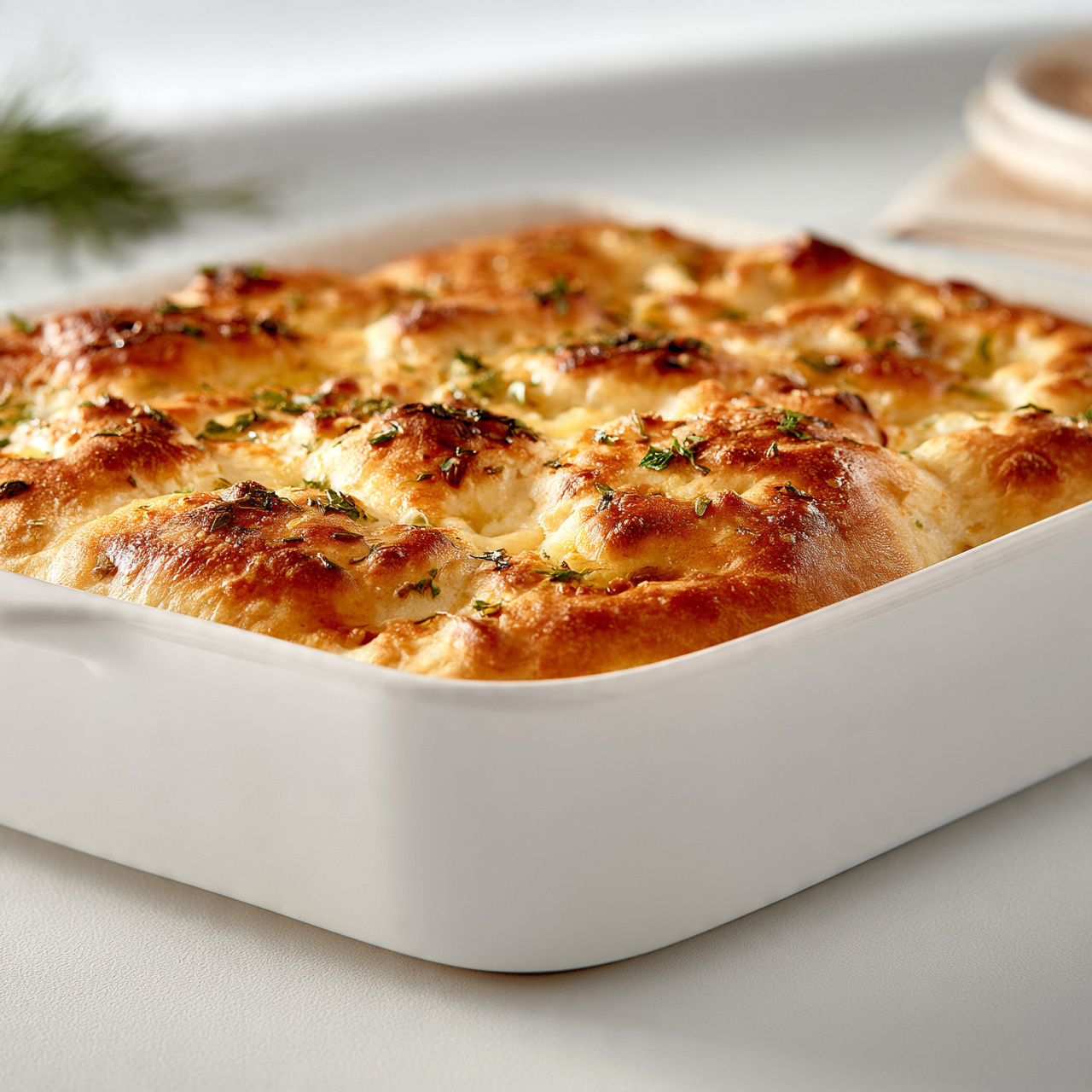
Turkish Bread (Ekmek): Soft, Crusty, and Incredibly Easy to Make
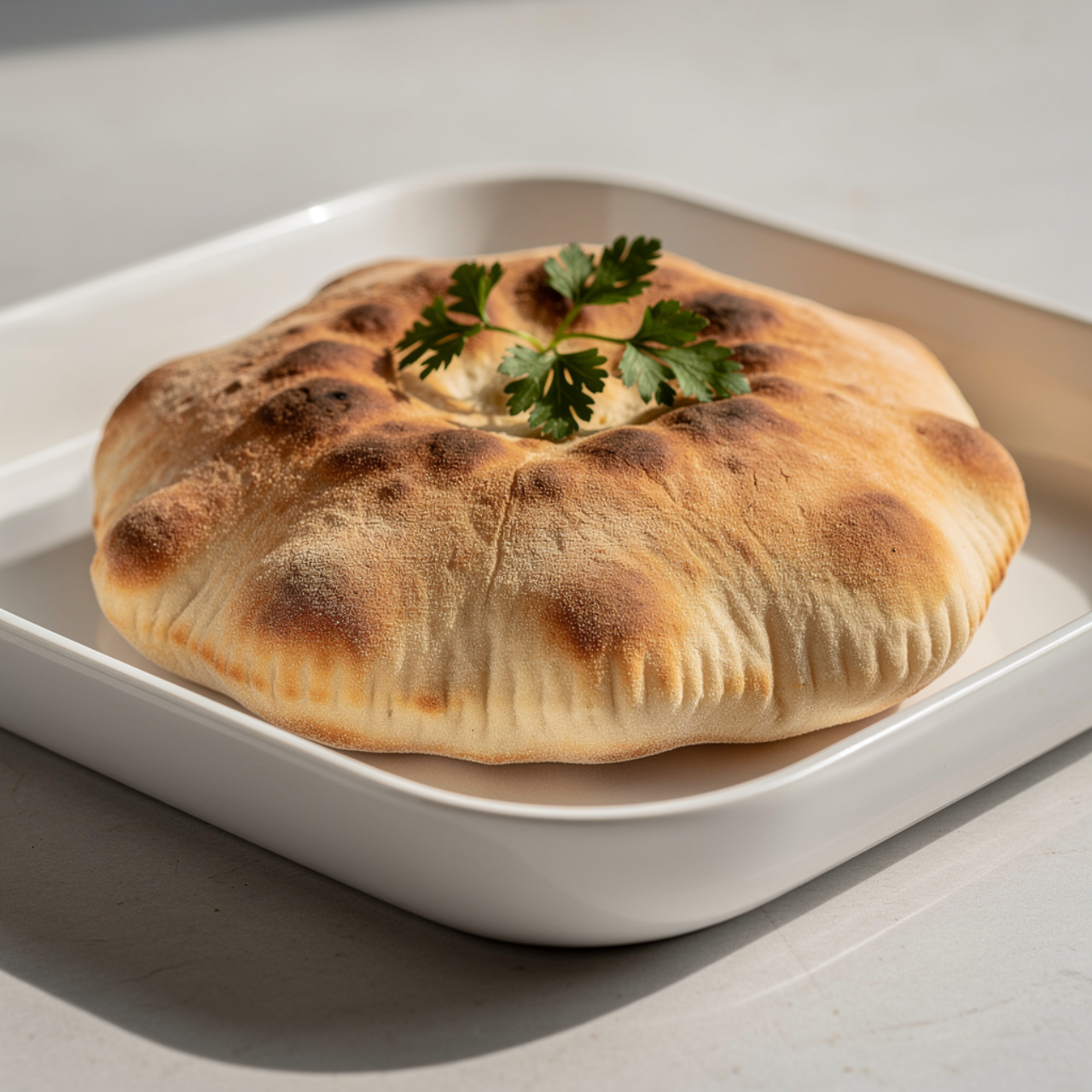
This authentic Turkish bread (Ekmek) bakes up with a golden, crusty exterior and a pillowy soft inside. No yeast required, ready in under an hour, and perfect alongside soups, stews, or dips.

The Only Turkish Bread Recipe You Will Ever Need
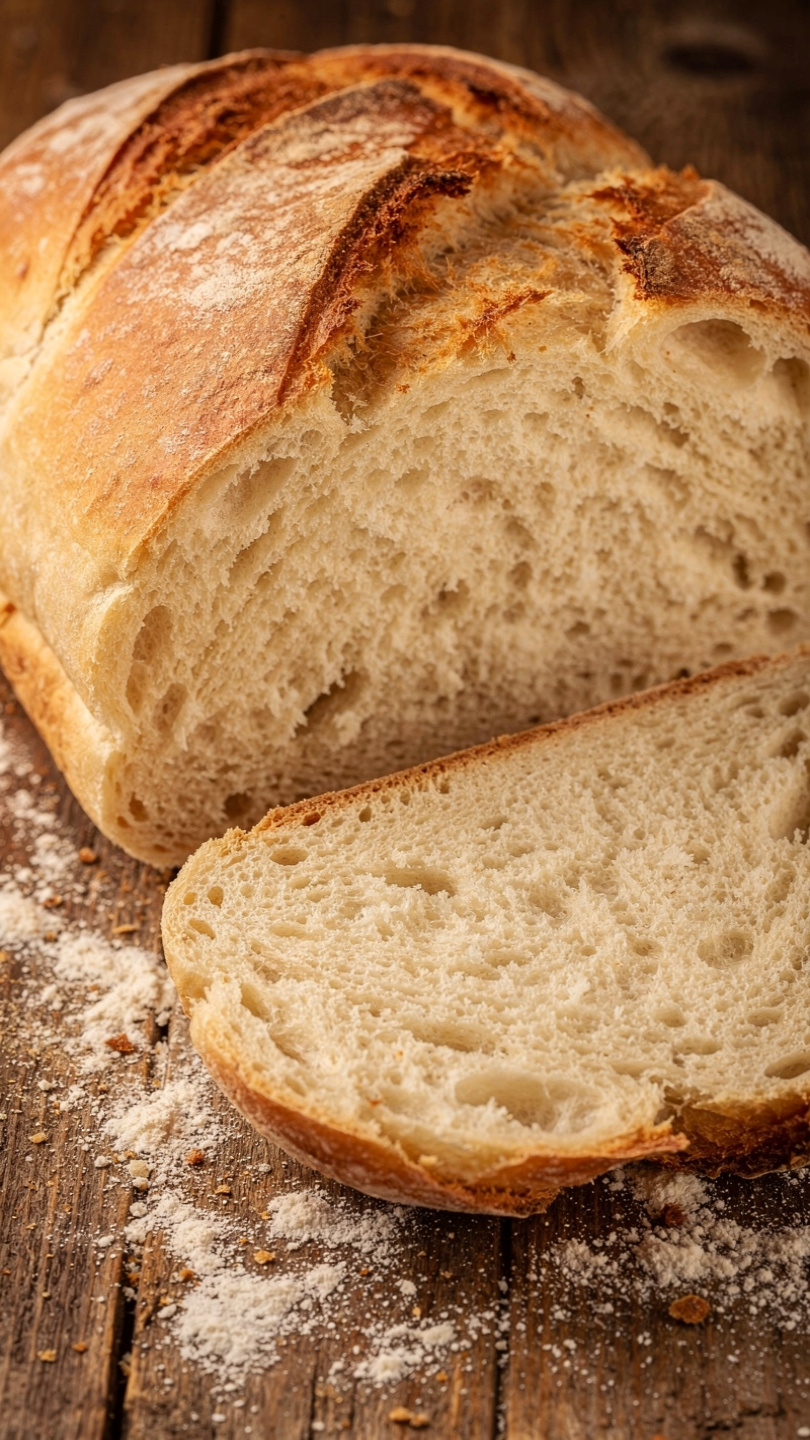
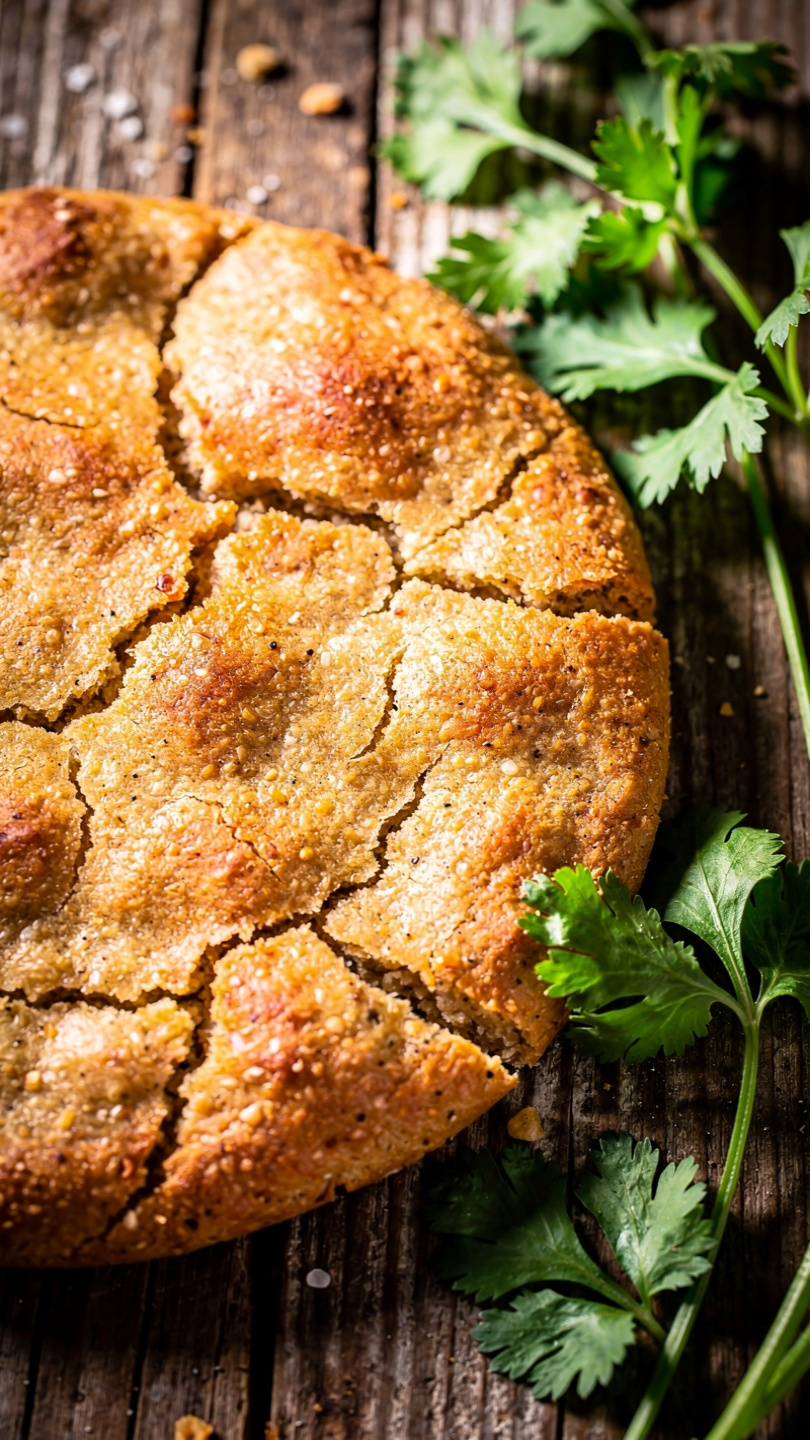
There is something undeniably magical about pulling a golden, seed-topped loaf from your own oven. Turkish bread, known as ekmek, has been a cornerstone of Middle Eastern breads and Anatolian tables for centuries. It is one of those different kinds of bread recipes that manages to feel both ancient and effortless at the same time. Soft and airy inside, satisfyingly crusty on the outside, and finished with that iconic sprinkle of sesame and nigella seeds, it is the kind of easy, delicious bread that makes every meal feel a little more special.
Whether you are pairing it with a hearty lamb stew, swiping it through hummus, or simply eating it warm with butter straight off the rack, this is crusty bread for stew nights and lazy weekends alike. And the best part? It asks for nothing more than pantry staples and about 40 minutes of your time.
Why This No-Yeast Version Works So Well
Traditional Turkish bakeries use carefully fermented yeasted doughs baked in wood-fired ovens. Beautiful, yes. But achievable on a Tuesday evening? Not always. This version leans on baking powder and plain yogurt to create a dough that is tender, slightly tangy, and rises beautifully in a hot oven. It is genuinely one of the best random recipes to try if you have flour sitting in your pantry and no idea what to make. No yeast, no proofing, no stress.
The yogurt does double duty here: it adds a subtle richness that mimics the slight tang of a fermented loaf, and its acidity activates the baking powder for a proper rise. Use whole-milk yogurt if you can. The fat content makes a real difference in the final texture.
Chef's Tip: Do not overknead this dough. Unlike yeasted bread, you want to work it just enough to bring it together. Overworking activates too much gluten and can make the finished loaf tough.
The Right Tools Make a Real Difference
For bread like this, a heavy baking sheet that retains heat evenly, a sharp knife or bread lame for scoring, and a quality pastry brush for the egg wash are the small investments that separate a good loaf from a great one.
How to Get That Gorgeous Golden Crust
The scoring pattern is not just for looks. Cutting a crosshatch or diamond pattern into the top of the dough allows steam to escape evenly during baking, which helps the bread expand properly and develop that deep, crackly crust everyone loves. Score about a quarter inch deep with a confident, swift motion.
The egg wash is equally important. Brush it on generously and make sure to cover the sides as well as the top. This is what gives Turkish bread its distinctive rich amber color. Immediately after the egg wash goes on, scatter your sesame and nigella seeds. Nigella seeds have a faintly peppery, onion-like flavor that is deeply tied to the flavor profile of authentic Middle Eastern breads. They are worth seeking out.
Serving Ideas
This bread was practically made to sit beside a bowl of something warm and comforting.
- Bread for stew: Serve alongside beef or lamb stew and let everyone tear off thick chunks for dipping.
- With breakfast: Pair with soft cheese, olives, sliced tomatoes, and a hard-boiled egg for a classic Turkish morning spread.
- With dips: This is exceptional next to baba ganoush, tzatziki, or a smoky red pepper hummus.
- On its own: Warm from the oven with good salted butter. That is it. That is the whole plan.
If you are exploring different kinds of dinners and want something that feels a little unexpected and exciting, building a mezze-style spread around this bread is a genuinely fun idea. It transforms a weeknight into something that feels a little celebratory.
Ready to bake? Here is everything you need:
Turkish Bread (Ekmek): Soft, Crusty, and Incredibly Easy to Make
This authentic Turkish bread (Ekmek) bakes up with a golden, crusty exterior and a pillowy soft inside. No yeast required, ready in under an hour, and perfect alongside soups, stews, or dips.
Ingredients
- 3 cups all-purpose flour, plus extra for dusting
- 1 tbsp baking powder
- 1 tsp salt
- 1 cup plain whole-milk yogurt, room temperature
- 3/8 cup warm water, add more as needed to bring dough together
- 2 tbsp olive oil, extra virgin
- 1 large egg, beaten, for egg wash
- 1 tbsp sesame seeds, for topping
- 1 tsp nigella seeds, optional but traditional
Instruction
Preheat your oven to 425 degrees F (220 degrees C). Line a large baking sheet with parchment paper.
In a large mixing bowl, whisk together the flour, baking powder, and salt until well combined.
Add the plain yogurt and olive oil to the dry ingredients. Mix with a wooden spoon or your hands until a shaggy dough forms.
Add warm water a little at a time, kneading gently in the bowl until a soft, smooth, slightly tacky dough comes together. Do not overwork it.
Turn the dough out onto a lightly floured surface and shape it into a round or oval loaf about 1 inch thick. Transfer to the prepared baking sheet.
Use a sharp knife to score a crosshatch or diamond pattern across the top of the loaf, cutting about 0.25 inch deep.
Brush the entire surface generously with the beaten egg wash. Sprinkle sesame seeds and nigella seeds evenly over the top.
Bake for 22 to 25 minutes, until the crust is deep golden brown and the loaf sounds hollow when tapped on the bottom.
Transfer to a wire rack and allow to cool for at least 10 minutes before tearing or slicing.
Equipment
- Large mixing bowl
- Baking sheet
- Parchment paper
- Pastry brush
- Sharp knife or bread lame
- Wire cooling rack
Notes
Storing and Making Ahead
This loaf is at its absolute peak the day it is baked. If you want to get ahead of things, mix and refrigerate the dough overnight. In the morning, shape it, top it, and bake. You may need to add 3 to 4 extra minutes to the bake time since the dough will be cold going in. Leftover slices freeze beautifully and toast straight from frozen in just a few minutes, making this one of the most practical what-can-I-make-with-flour recipes in your rotation.