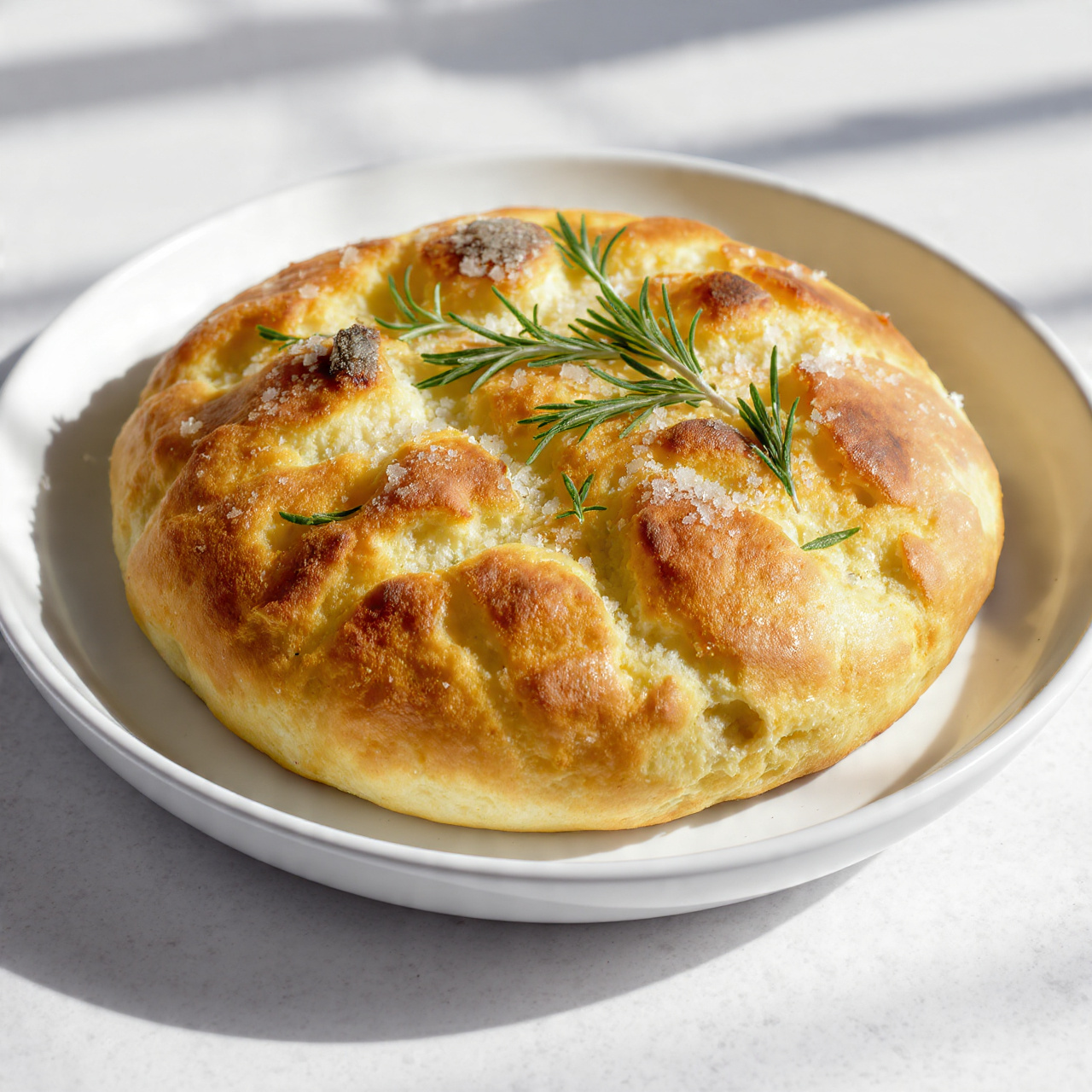
Sourdough Discard Focaccia Bread (Same-Day, No Yeast Needed)
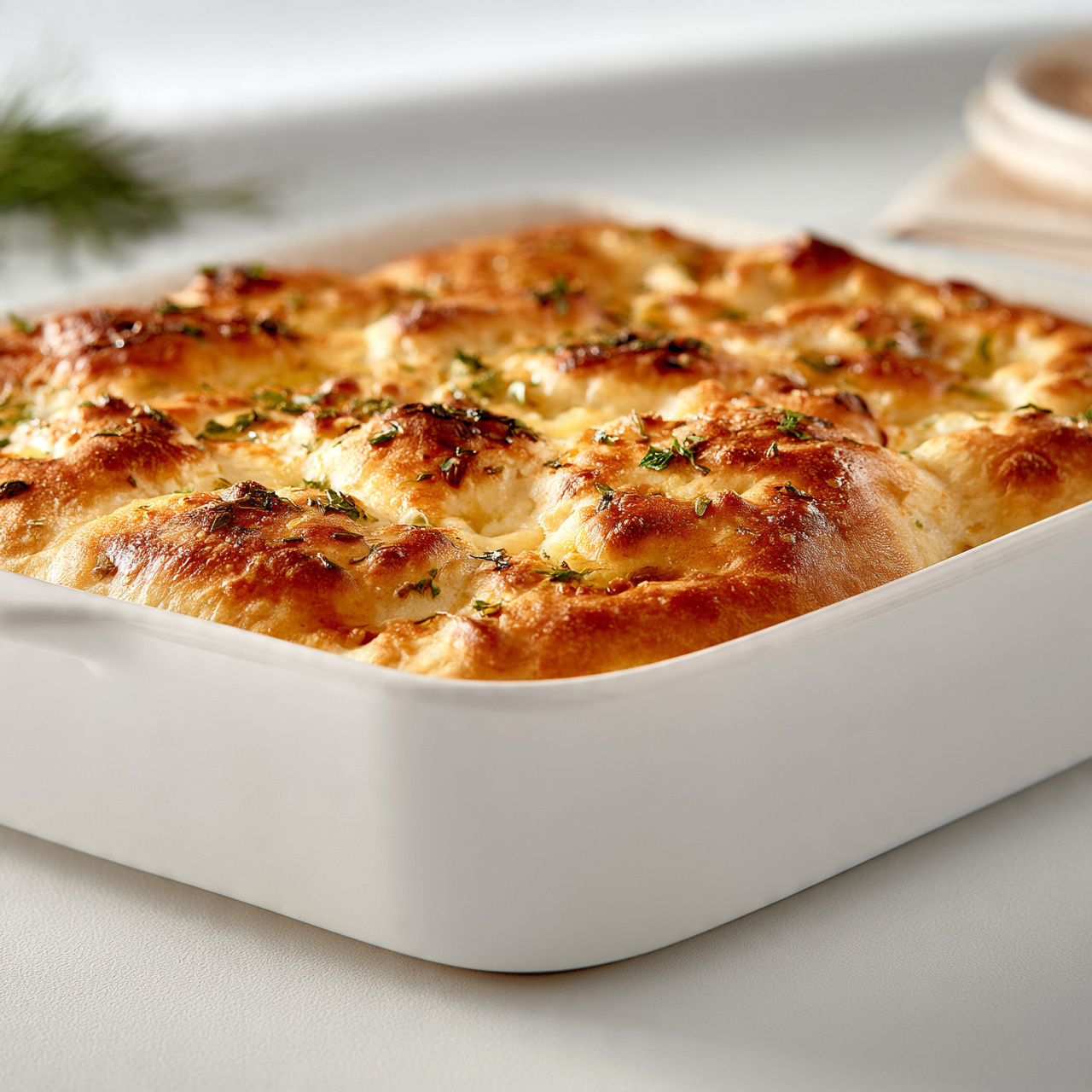
This easy sourdough discard focaccia bread is crispy on the outside, pillowy soft inside, and comes together in one day with no extra yeast required. The perfect way to use up your sourdough discard!

The Best Thing You Can Do With Sourdough Discard (Seriously)
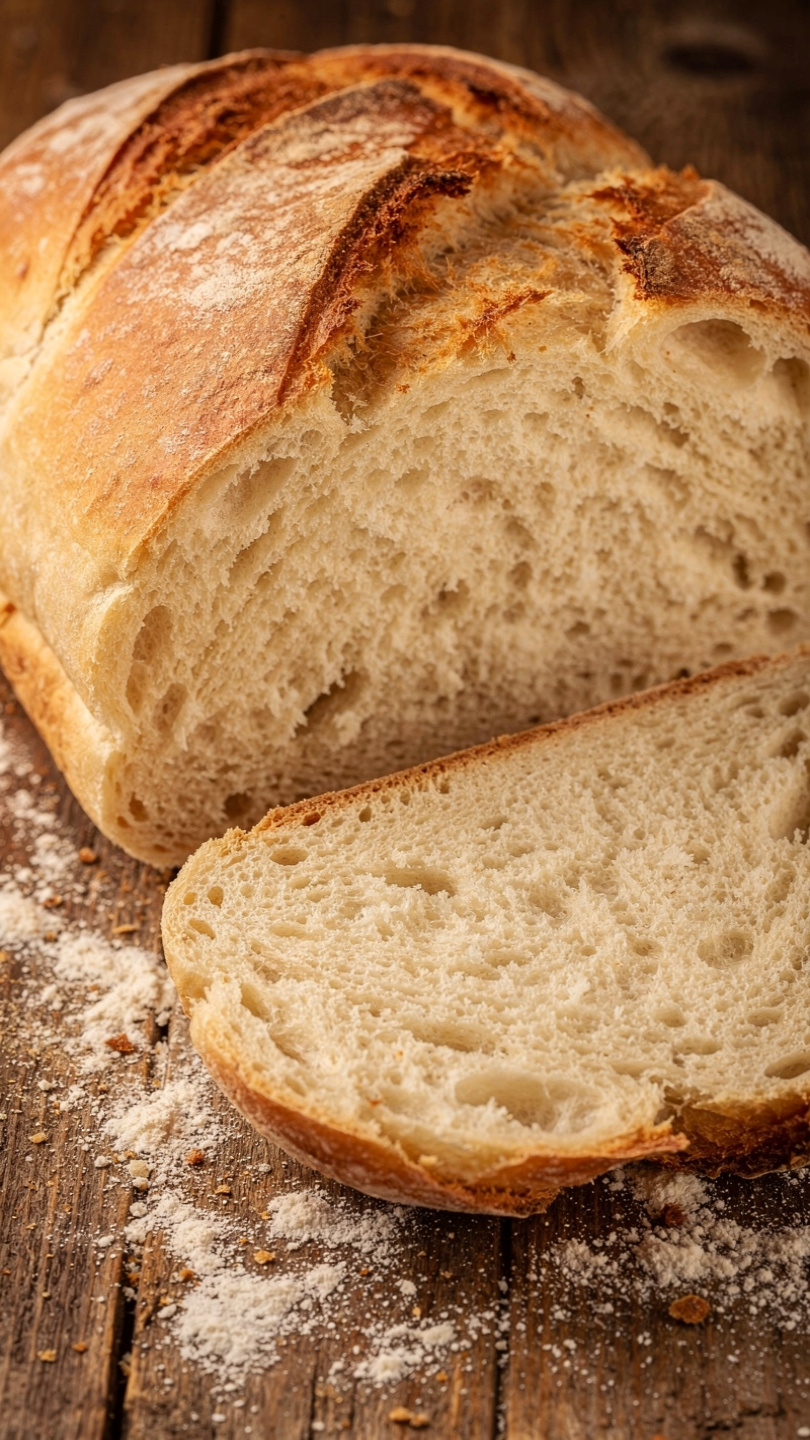
If you have a jar of sourdough discard sitting in your fridge right now, stop what you are doing. This sourdough discard focaccia is the recipe you have been waiting for. It is golden, crispy on the bottom, cloud-soft in the center, fragrant with rosemary and olive oil, and honestly one of the most satisfying breads you will ever pull out of your own oven.
This is not a complicated, all-day bake. This is a same-day sourdough discard focaccia recipe that requires no kneading, no commercial yeast, and no special equipment beyond a bowl and a baking pan. The wild yeast already living in your discard does all the heavy lifting. All you have to do is give it time and a generous pour of good olive oil.
Whether you have been searching for a quick sourdough focaccia recipe or just need a reliable way to use sourdough discard for focaccia without the whole starter-maintenance routine, you have landed in the right place.
Why This Sourdough Discard Focaccia Works So Well
Focaccia is one of the most forgiving breads in existence, and that makes it an ideal match for sourdough discard. Here is why this combination is so successful:
- The discard adds tang. Even unfed discard carries real flavor. That slight acidity gives this focaccia a depth that plain bread flour and water simply cannot replicate.
- No yeast means no last-minute grocery runs. This is a true sourdough discard focaccia with no yeast, which means if you have discard, you have everything you need.
- The long rest does the work for you. A few hours at room temperature transforms a shaggy, sticky dough into something light, bubbly, and full of character.
- Olive oil is the hero. A generous amount of oil in the pan creates that legendary crispy, almost fried bottom crust that makes focaccia so deeply satisfying.
Chef's Tip: Do not skimp on the olive oil. It is not just flavor. It is what gives focaccia its iconic texture. Use the best extra virgin olive oil you can reasonably afford for this one.
The Right Tools and Ingredients Make All the Difference
For a recipe this simple, quality really does show. A sturdy metal 9x13 pan conducts heat better than glass or ceramic, giving you that deeply golden, almost crispy underside that makes this bread so memorable. And using a proper flaky finishing salt like Maldon instead of table salt on top genuinely elevates every single bite.
How to Make Focaccia Bread With Sourdough Discard
The process for this easy sourdough focaccia recipe is refreshingly simple, but a few key moments are worth understanding before you start.
Mixing the Dough
You are not kneading this dough. You are simply combining everything until no dry flour remains. The dough will look rough, sticky, and a little shaggy, and that is exactly right. Resist the urge to add more flour. The high hydration is intentional and responsible for the open, airy crumb you are after.
The Rise
This is where the magic of a focaccia discard recipe happens. As the dough rests in the oiled pan at room temperature, the wild yeast in the discard slowly produces gas, the dough relaxes and spreads, and flavor develops. You are looking for a dough that has puffed noticeably and shows small bubbles on the surface. In a warm kitchen, this takes 3 to 4 hours. In a cooler kitchen, budget up to 5.
Chef's Tip: If you want an even more tangy, complex flavor, cover the mixed dough and refrigerate it overnight after placing it in the oiled pan. Pull it out 1 hour before baking to take the chill off. This cold fermentation method is completely hands-off and produces exceptional results.
The Dimpling Step
Do not be gentle here. Oil your fingertips generously and press them all the way down through the dough to the bottom of the pan. This step is what creates the signature craters that trap pools of olive oil, salt, and herbs. It also partially deflates the dough, which is fine. The focaccia will puff back up beautifully in the hot oven.
Toppings
Classic rosemary and flaky sea salt are a perfect starting point, but this is also your canvas. Some favorites worth trying:
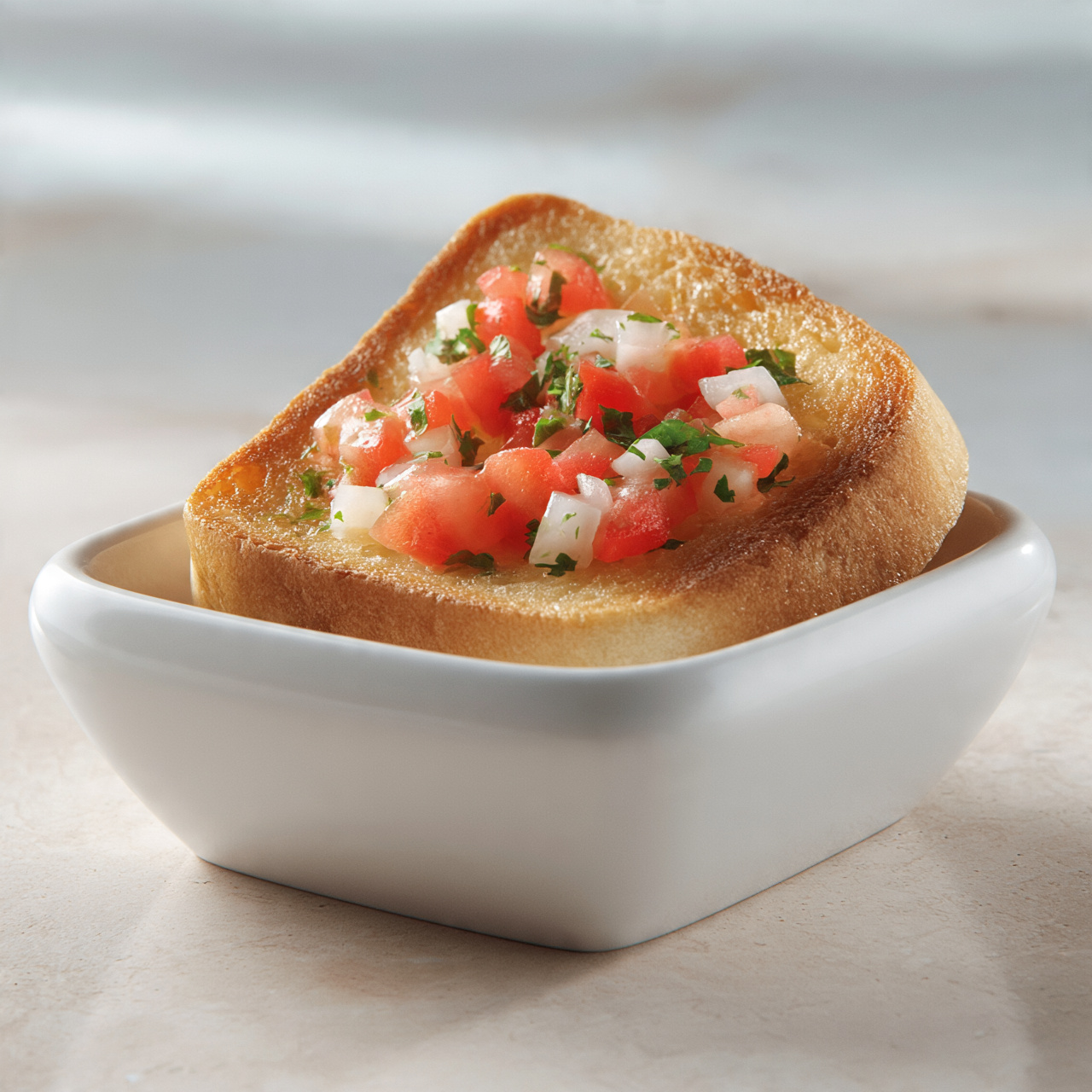
- Cherry tomatoes and basil pressed into the dimples before baking
- Thinly sliced red onion and olives for a briny, savory loaf
- Caramelized onions and gruyere for something rich and deeply savory
- Grapes and gorgonzola for a sweet-savory showstopper
Ready to bake? Here is everything you need laid out step by step:
Sourdough Discard Focaccia Bread (Same-Day, No Yeast Needed)
This easy sourdough discard focaccia bread is crispy on the outside, pillowy soft inside, and comes together in one day with no extra yeast required. The perfect way to use up your sourdough discard!
Ingredients
- 1 cup sourdough discard, unfed, at room temperature
- 2 cups all-purpose flour, spooned and leveled
- 3/4 cup warm water, about 100 degrees F
- 6 tbsp extra virgin olive oil, divided, plus more for drizzling
- 1 1/2 tsp fine sea salt
- 1 tsp honey, or granulated sugar
- 1 tsp flaky sea salt, for topping, such as Maldon
- 2 tbsp fresh rosemary, roughly chopped
- 3 garlic cloves, thinly sliced, optional topping
Instruction
In a large mixing bowl, whisk together the sourdough discard, warm water, and honey until smooth and fully combined.
Add the all-purpose flour and fine sea salt to the bowl. Mix with a sturdy spatula or your hands until a shaggy, sticky dough forms and no dry flour remains. Do not knead.
Drizzle 2 tablespoons of olive oil into a 9x13 inch baking pan and use your hands to coat the bottom and sides generously.
Transfer the dough into the oiled pan. Drizzle another 2 tablespoons of olive oil over the top of the dough and gently turn it to coat. Loosely cover the pan with plastic wrap or a damp kitchen towel.
Let the dough rest and rise at room temperature for 3 to 4 hours, or until it has puffed noticeably and looks bubbly. If your kitchen is cool, this may take up to 5 hours.
Preheat your oven to 425 degrees F (220 degrees C) about 20 minutes before baking.
Uncover the dough. Drizzle the remaining 2 tablespoons of olive oil over the surface. Oil your fingertips generously and press them firmly all the way down into the dough, dimpling the entire surface. Work across the whole pan without deflating the dough.
Scatter the sliced garlic, fresh rosemary, and flaky sea salt evenly over the top. Add any additional toppings of your choice at this stage.
Bake for 22 to 26 minutes until the top is deep golden brown and the edges are pulling away from the sides of the pan.
Remove from the oven and immediately drizzle a little extra olive oil over the hot focaccia. Let it cool in the pan for at least 10 minutes before slicing and serving.
Equipment
- 9x13 inch baking pan (metal preferred)
- Large mixing bowl
- Sturdy spatula or dough scraper
- Plastic wrap or damp kitchen towel
- Wire cooling rack
Notes
Serving and Storing Your Focaccia
This sourdough discard focaccia is best eaten the day it is baked, ideally still slightly warm with a little extra olive oil drizzled over the top. It is wonderful on its own, served alongside a bowl of soup, torn and dunked into marinara, or used as the base for an incredible sandwich.
To store: Wrap cooled leftovers tightly in foil and keep at room temperature for up to 2 days. Avoid the refrigerator, as it dries the crumb out quickly.
To reheat: Place slices directly on an oven rack at 375 degrees F for 5 to 8 minutes. This brings the crust right back to life in a way that a microwave simply cannot.
To freeze: Slice the focaccia, wrap each piece individually in plastic wrap, and freeze for up to 1 month. Thaw at room temperature and crisp in the oven before serving.
Final Thoughts
This quick sourdough focaccia recipe is proof that sourdough discard recipes do not have to be complicated to be extraordinary. With nothing more than your discard, a few pantry staples, and a little patience, you can have a bakery-worthy loaf on your table by dinnertime. Once you make it the first time, it will absolutely become a regular part of your baking rotation.