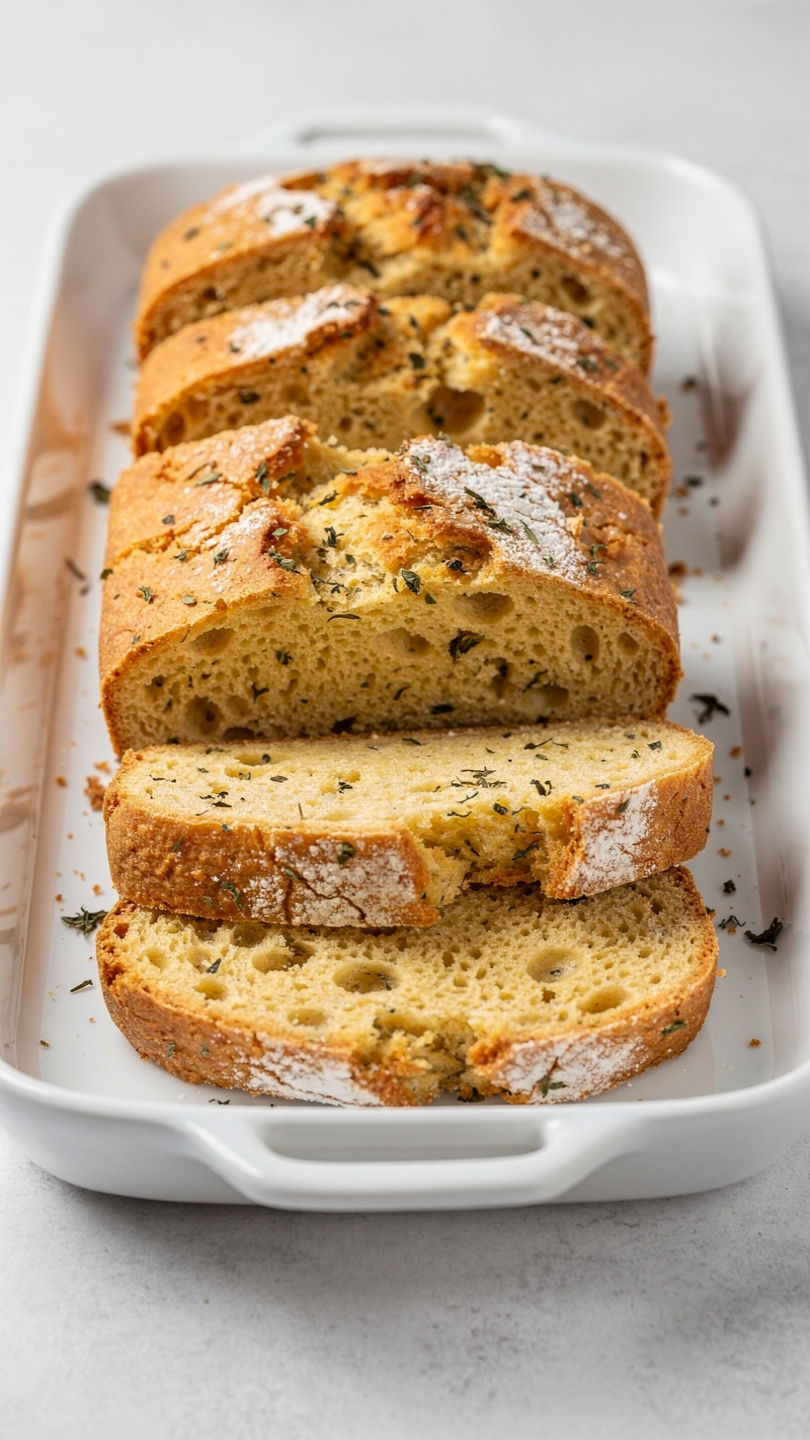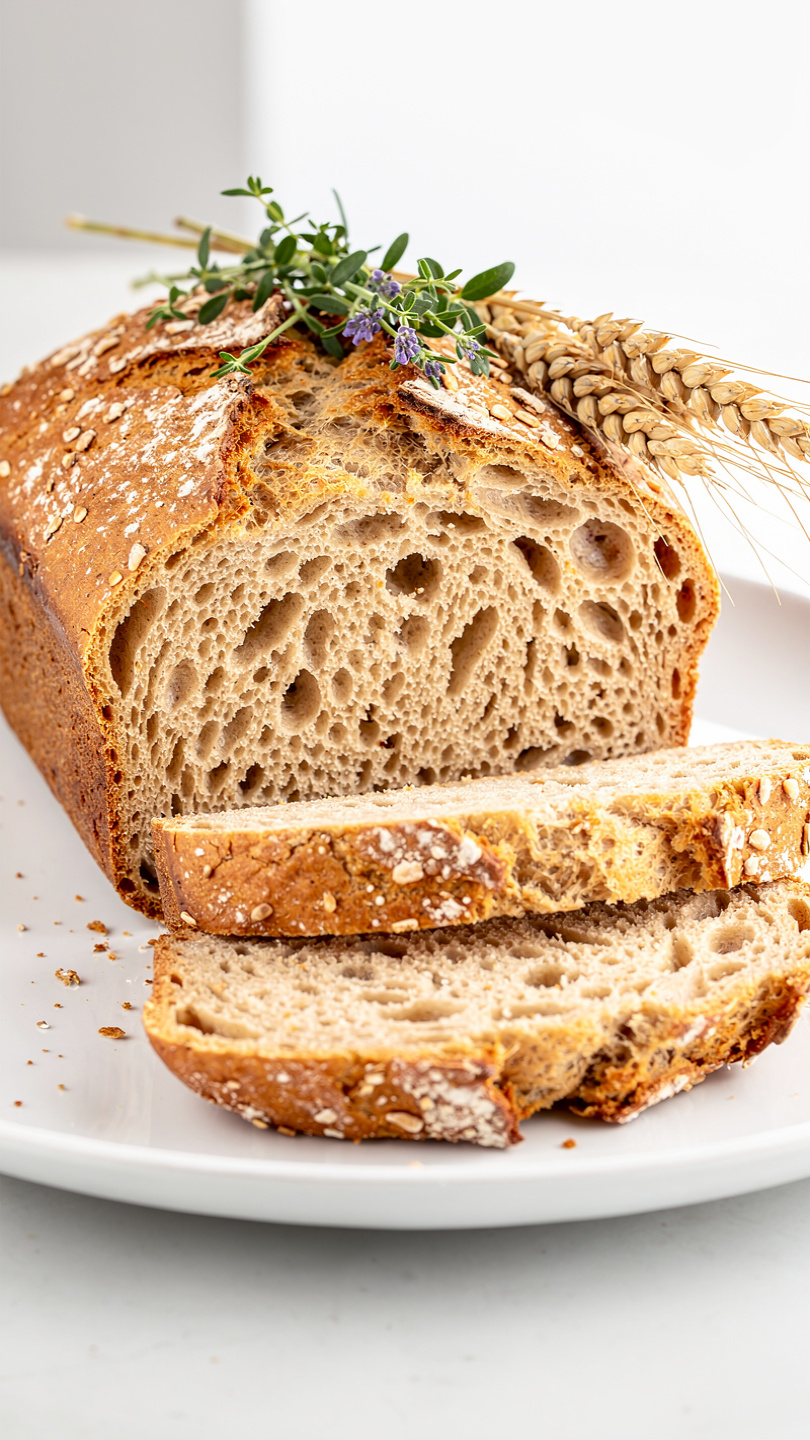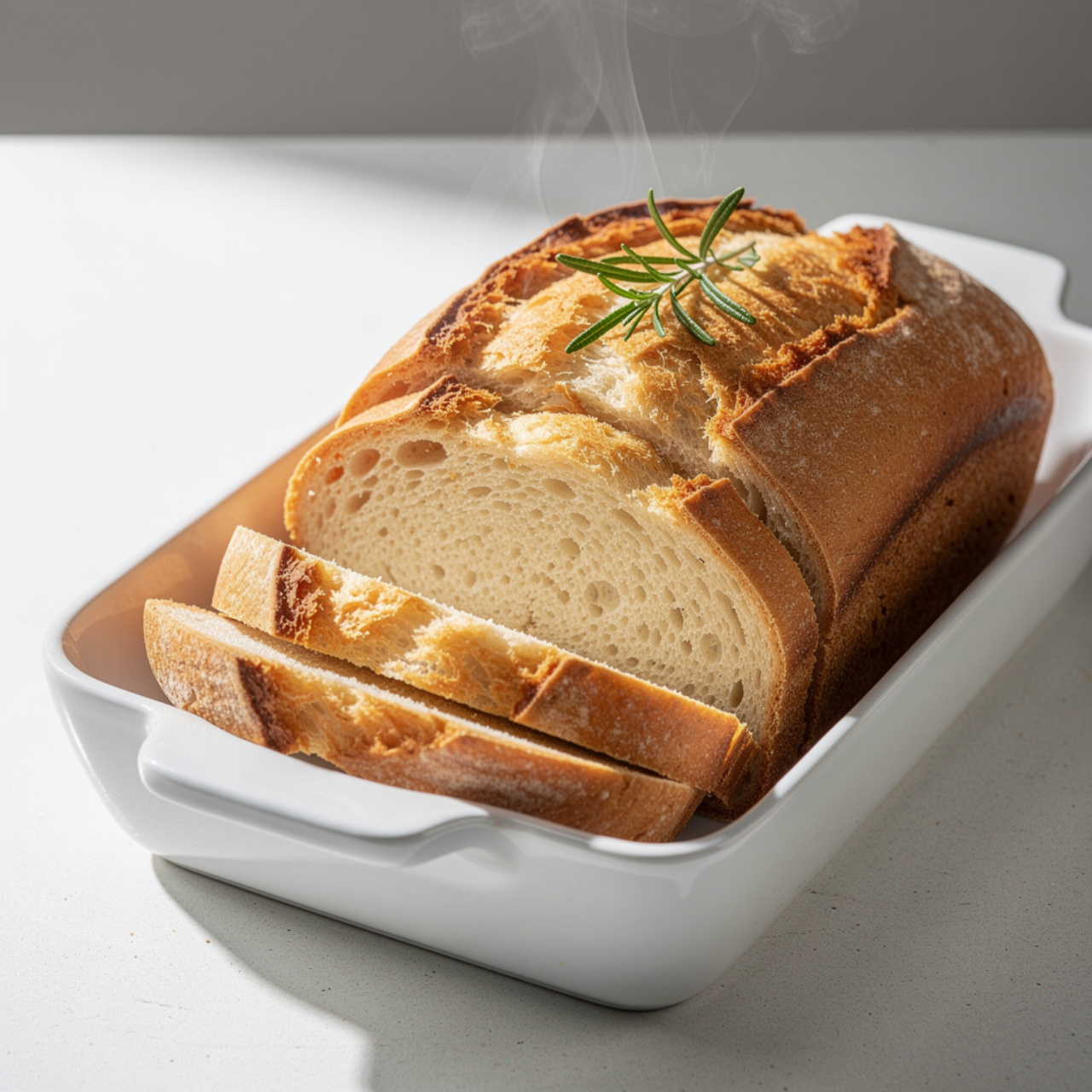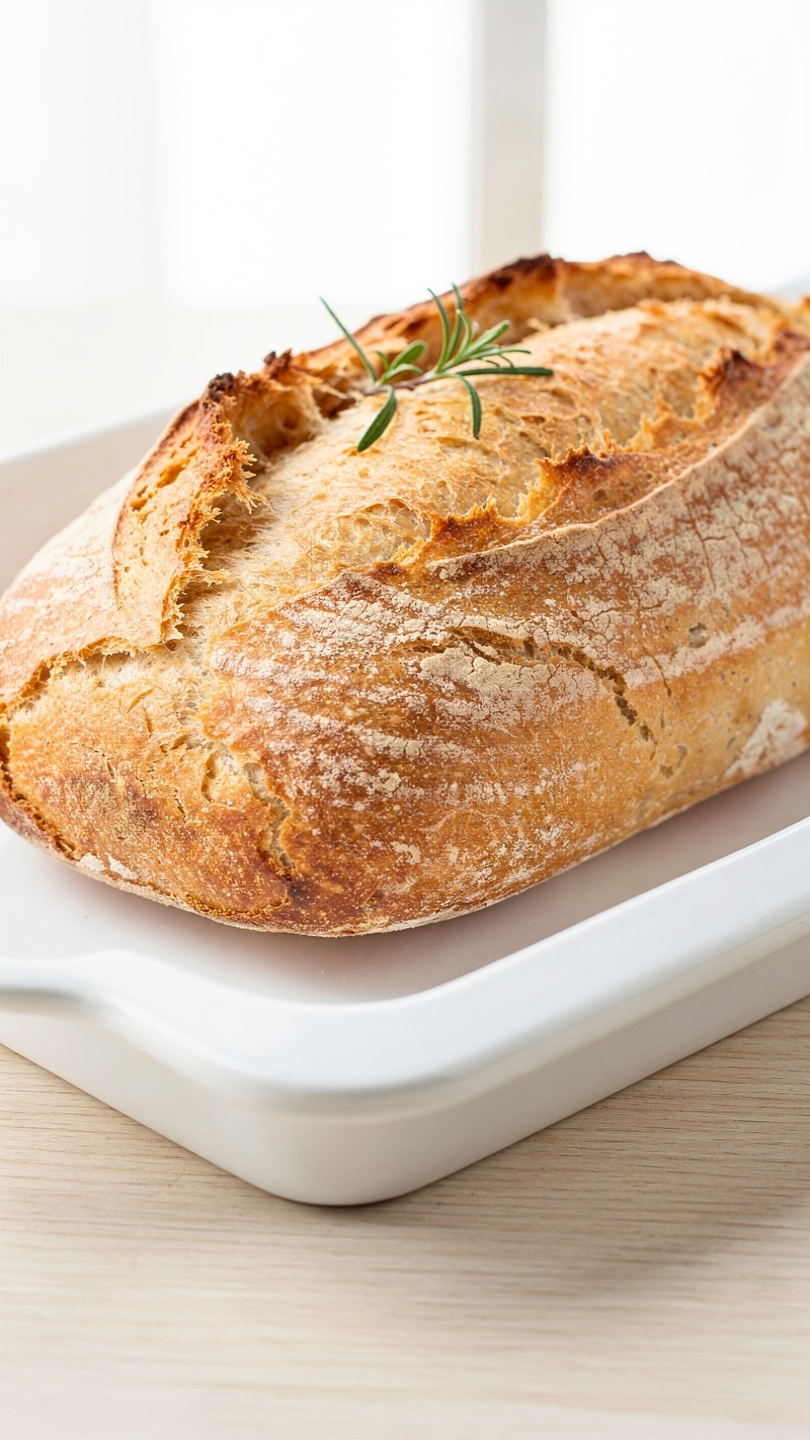
Sourdough French Bread: Crispy Crust, Chewy Crumb, Bakery Results at Home
This sourdough French bread recipe delivers a shatteringly crisp crust and an open, chewy crumb using your sourdough starter. Better than the bakery and made entirely in your own kitchen.

The Sourdough French Bread Recipe You Have Been Waiting For
There is something almost magical about pulling a long, golden loaf of homemade sourdough French bread out of a screaming hot oven. The crust crackles as it cools. The crumb is open, chewy, and just slightly tangy. And the smell, well, there is no candle in the world that captures it.
This is not a complicated French bread recipe. But it is a rewarding one. If you have been searching for the best sourdough starter recipe to actually put your starter to work, this is it. We are talking a proper French bread loaf with a shatteringly thin crust and that signature sourdough depth you simply cannot get from commercial yeast.
Whether you are brand new to baking with a sourdough starter or you have been at it for years and want to level up your loaves, this guide walks you through every detail, from mixing to shaping to scoring to that all-important steam bake.
Why This Sourdough French Bread Works
Most homemade sourdough recipes call for round boules baked in Dutch ovens. And those are wonderful. But a long baguette-style French bread loaf bakes differently. More surface area means more crust, and the open-air bake with steam produces that thin, crackly exterior that makes a French bread recipe feel truly French.
Here is what makes this version stand out:
- Cold proofing overnight develops complex flavor without any extra effort from you
- Steam in the oven mimics the deck ovens used in professional bakeries
- Stretch-and-fold technique builds gluten without exhausting kneading
- A properly fed starter does all the leavening work, no commercial yeast needed
This is also a fantastic recipe using sourdough starter discard if you keep a discard jar. Just make sure your discard is no more than 2 days old and give it a quick refresh feed before using it.
Getting the best results from this recipe comes down to a few key tools and ingredients. A sharp lame for scoring, a quality baking stone for heat retention, and strong bread flour all make a genuine difference in your final loaf.
Understanding Your Sourdough Starter
Before anything else, your starter needs to be active and bubbly. This is the single most important factor in any homemade sourdough bread recipe. A sluggish or underfed starter will give you a dense, gummy loaf no matter how carefully you follow the rest of the steps.
Chef's Tip: Feed your starter 4 to 8 hours before mixing the dough, at a 1:1:1 ratio (starter:flour:water by weight). It should be domed, bubbly, and just past its peak rise when you use it. Drop a small spoonful into a glass of water. If it floats, it is ready.
If you are building a starter from scratch, most best sourdough starter recipes recommend a 7 to 14 day process of daily feedings before it is strong enough for bread baking. Patience here pays off enormously.
Shaping and Scoring: Where Confidence Counts
If you have avoided long loaves because shaping feels intimidating, take a breath. The French bread loaf shape is more forgiving than it looks. The key is tension. When you roll the dough into its final shape, you want the surface to feel taut, like a drum, not floppy or slack.
For scoring, a sharp lame or razor blade is non-negotiable. A dull knife drags and deflates. One confident slash at a shallow 30-degree angle is all you need for a classic French bread look. Three shorter diagonal cuts also work beautifully.
Warning: Do not skip the scoring step. Without a score, the loaf will burst unpredictably at its weakest point as it expands in the oven. Scoring gives the bread a controlled place to open up and bloom.
The Steam Secret for a Crispy Crust
Professional bakers use steam-injected deck ovens to achieve that signature French bread crust. At home, we fake it by pouring boiling water into a hot metal pan on the oven floor the moment the loaf goes in.
The steam keeps the outer surface of the dough moist and pliable during the critical first 15 minutes of baking, allowing it to expand fully before the crust sets hard. Once you remove the steam pan and drop the temperature, the crust dries out and crisps to that gorgeous mahogany brown you are after.
This technique works for any French cuisine recipe that calls for a crusty loaf, including using the day-old bread for legendary French bread French toast the next morning.
Ready to bake your best loaf yet? Here is everything you need:
Sourdough French Bread: Crispy Crust, Chewy Crumb, Bakery Results at Home
This sourdough French bread recipe delivers a shatteringly crisp crust and an open, chewy crumb using your sourdough starter. Better than the bakery and made entirely in your own kitchen.
Ingredients
- 3 1/2 cups bread flour, plus more for dusting
- 1/2 cup active sourdough starter, fed and bubbly, at peak activity
- 1 1/4 cups warm water, around 80 degrees F (27 degrees C)
- 1 1/2 tsp fine sea salt
- 1 tbsp olive oil, extra virgin, for greasing the bowl
Instruction
In a large bowl, combine the warm water and active sourdough starter. Stir well until the starter is fully dissolved into the water.
Add the bread flour and mix with a dough scraper or your hands until no dry flour remains. The dough will look shaggy at this stage. Cover and let rest for 30 minutes (autolyse).
Sprinkle the sea salt over the dough and work it in by pinching and folding the dough for about 2 minutes until fully incorporated.
Perform 4 rounds of stretch-and-fold over the next 2 hours: every 30 minutes, grab one side of the dough, stretch it up, and fold it over itself. Rotate the bowl 90 degrees and repeat all four sides.
After the final fold, lightly oil the bowl, cover, and let the dough bulk ferment at room temperature (70 to 75 degrees F) for an additional 2 to 4 hours, or until the dough has grown about 50 percent and looks airy and domed.
Turn the dough out onto a lightly floured surface. Gently pre-shape it into a rough log by folding the sides in and rolling it toward you. Cover loosely with a towel and let it rest for 20 minutes.
Final shape: stretch the dough into a long baguette-style loaf, roughly 14 to 16 inches long, by rolling and elongating it with your palms. Pinch the seam tightly.
Place the shaped loaf seam-side up on a well-floured kitchen towel or in a floured banneton. Cover and refrigerate overnight (8 to 16 hours) for the cold proof.
When ready to bake, preheat your oven to 500 degrees F (260 degrees C) with a baking stone or heavy baking sheet inside for at least 45 minutes. Place an empty metal pan on the bottom rack.
Remove the loaf from the fridge. Carefully flip it seam-side down onto a sheet of parchment paper. Using a sharp lame or razor blade, score the top with one long diagonal slash or 3 smaller angled cuts.
Slide the loaf (on its parchment) onto the hot baking stone. Carefully pour 1 cup of hot water into the empty metal pan to create steam. Immediately close the oven door.
Bake at 500 degrees F for 15 minutes with steam, then remove the steam pan, reduce oven temperature to 450 degrees F (230 degrees C), and continue baking for 18 to 20 minutes until the crust is a deep mahogany brown.
Remove from the oven and cool on a wire rack for at least 45 minutes before slicing. The crumb continues to set as it cools.
Equipment
- Large mixing bowl
- Bench scraper or dough scraper
- Kitchen scale
- Banneton proofing basket or floured kitchen towel
- Baking stone or heavy rimmed baking sheet
- Metal roasting pan or cast iron skillet (for steam)
- Lame or sharp razor blade
- Parchment paper
- Wire cooling rack
- Instant-read thermometer (optional but helpful)
Notes
Serving Ideas and Creative Uses
Once you have this sourdough French bread recipe dialed in, a whole world of possibilities opens up:
- Classic: Sliced with good salted butter and sea salt flakes
- French bread French toast: Day-old slices soaked in a custard of eggs, cream, vanilla, and cinnamon, then pan-fried in butter
- Bruschetta base: Toasted with olive oil, fresh tomatoes, and basil
- Soup dipper: Thick slices alongside a roasted tomato or French onion soup
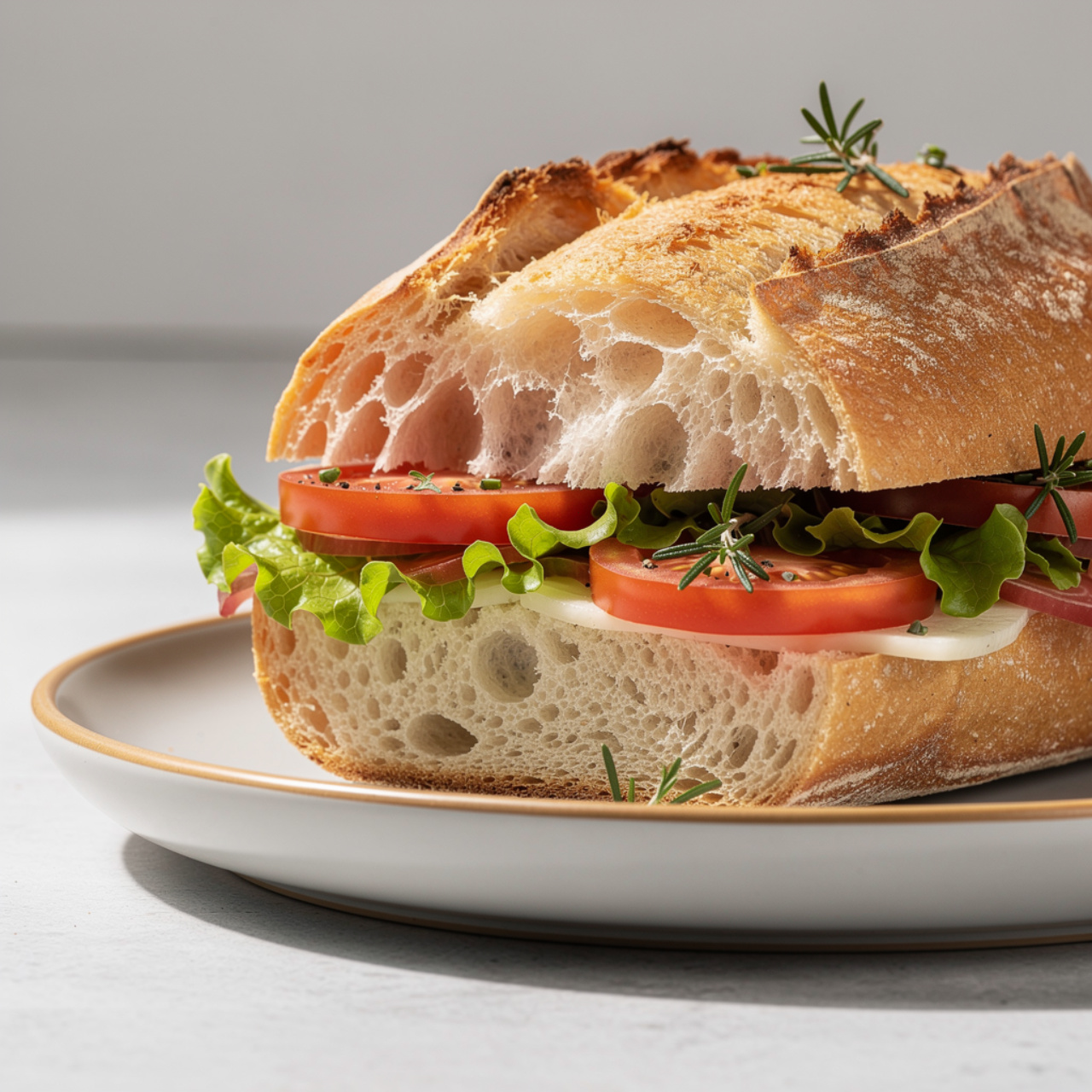
- Sandwiches: The sturdy crumb holds up beautifully to hearty fillings
This recipe also makes excellent use of sourdough starter discard. If you have been accumulating discard and feeling guilty about it, a French bread loaf is one of the most satisfying ways to put it to work.
Final Thoughts
Good bread is slow food in the best possible sense. This sourdough French bread recipe asks for your attention across a day or two, but most of that time is hands-off fermentation while you live your life. The reward is a loaf that looks like it came from a proper Parisian boulangerie, baked in your own oven, with your own starter, on your own schedule.
Once you nail this French bread loaf, you will find yourself baking it every week. And soon enough, your friends and family will start showing up at the door right around the time that crust starts crackling.