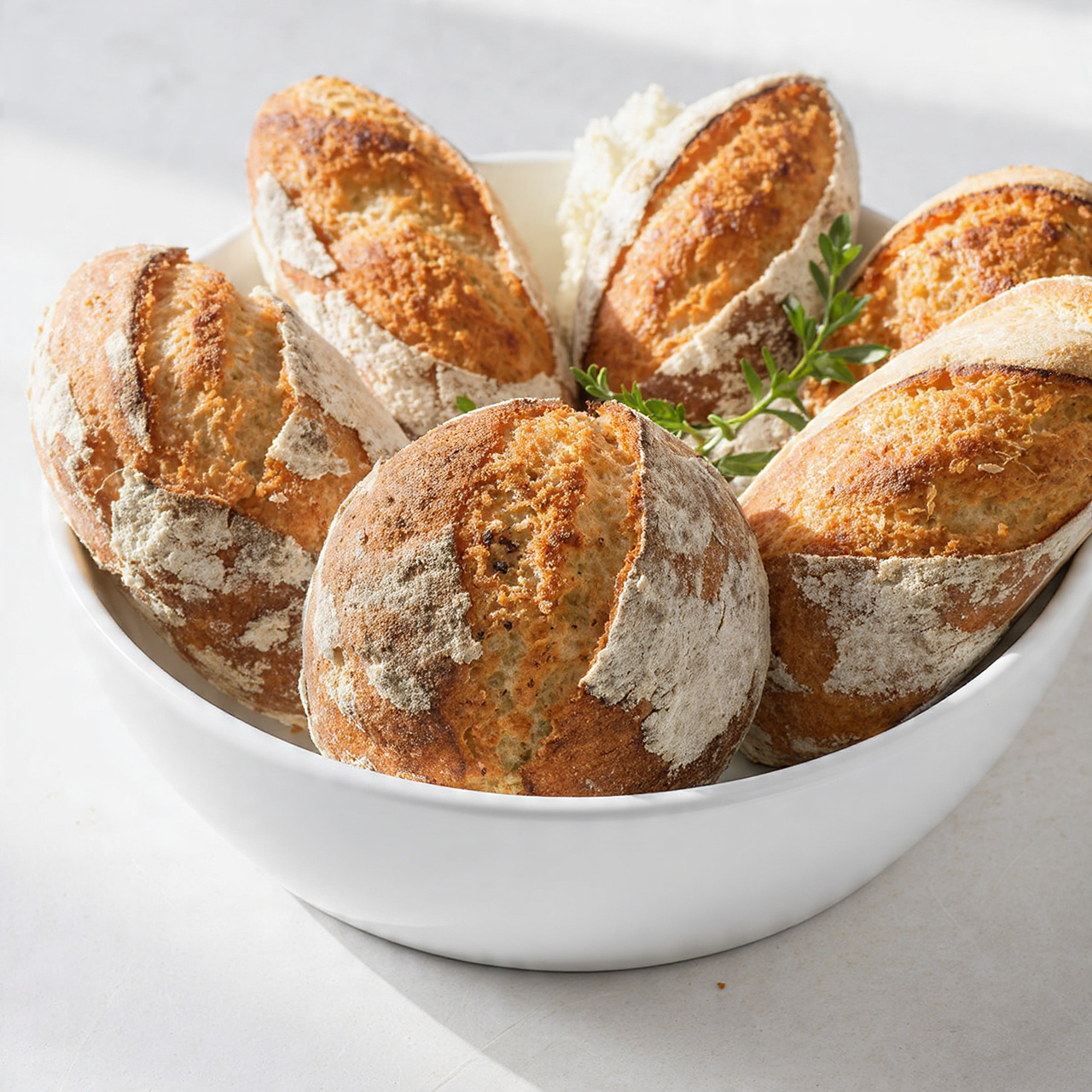
Sourdough Bread Flavors: Creative Recipes for Every Craving
Discover the best sourdough bread flavors, from rich chocolate chip sourdough to savory specialty loaves. These creative, flavored sourdough recipes will transform your home baking.

The Magic of Flavored Sourdough: Why Plain Is Just the Beginning
If you have ever pulled a golden, crackly sourdough loaf from your oven and thought, what if I could make this even better, you are in exactly the right place. Flavored sourdough bread takes everything you already love about a classic wild-yeast loaf and layers in extraordinary depth, whether you are swirling in chocolate chips, folding through roasted garlic and rosemary, or warming things up with cinnamon and raisins.
These are not gimmick loaves. The long, slow fermentation that defines sourdough actually amplifies every add-in you fold into the dough. Chocolate becomes richer. Herbs bloom into something aromatic and complex. Dried fruit gets plump and jammy. Once you start exploring sour dough bread ideas beyond the plain batard, you will never look back.
Why Sourdough Is the Perfect Base for Flavor Experiments
The beauty of flavored sourdough lies in the fermentation itself. The naturally occurring wild yeast and lactic acid bacteria in your starter do not just leaven the bread. They break down complex carbohydrates, develop nuanced flavors, and create the kind of open, chewy crumb that holds chocolate chips in mid-air rather than sinking them to the bottom.
This is why a chocolate chip sourdough bread recipe tastes so different from a regular sweet quick bread. The mild tang plays against the sweetness, creating something that is almost dessert-like but still deeply satisfying as a breakfast slice. It is the same logic behind a good chocolate sourdough recipe that uses cocoa powder folded directly into the dough: the fermentation mellows the bitterness and rounds out every bite.
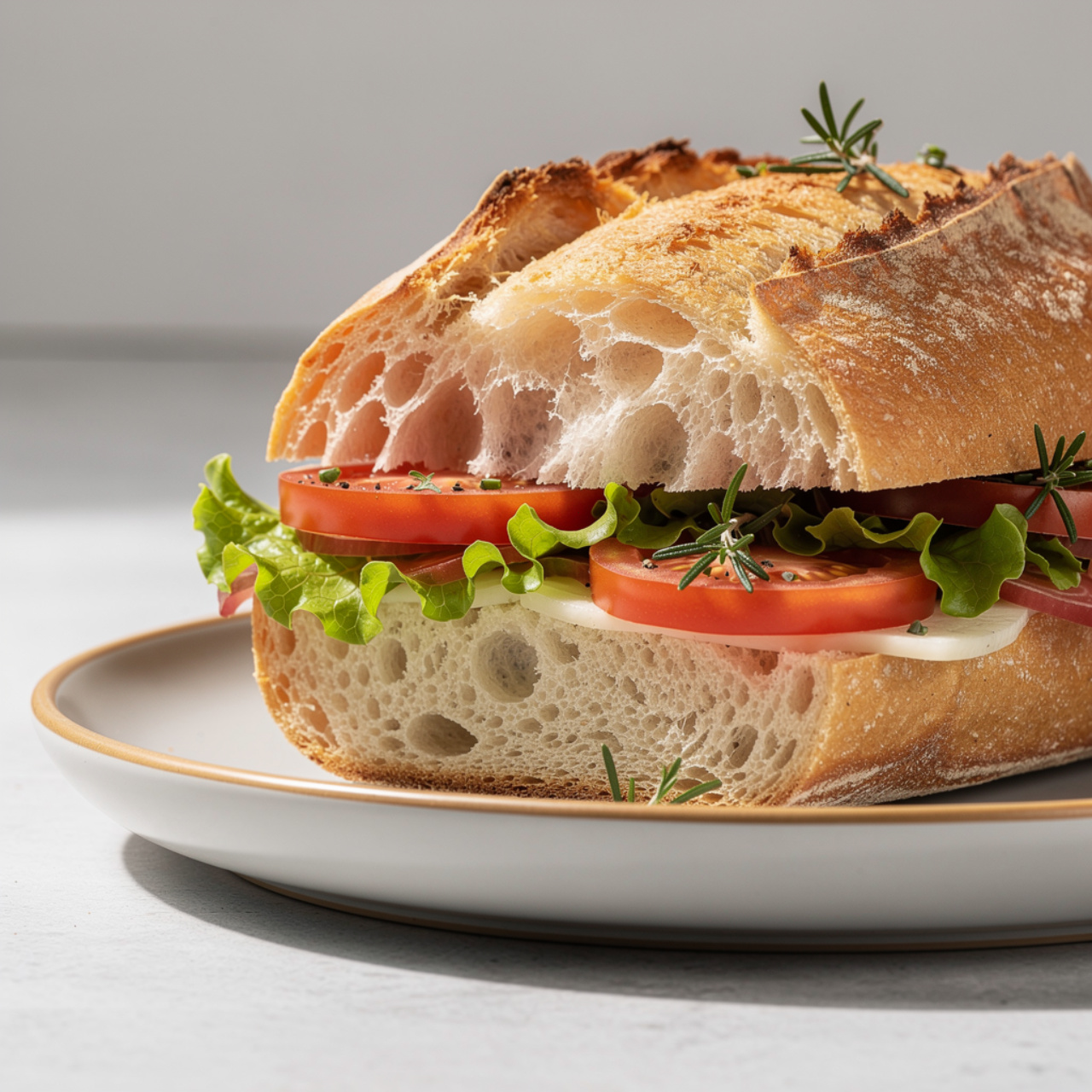
For savory lovers, specialty sourdough bread variations like rosemary garlic or sun-dried tomato and olive make an exceptional companion to cheese boards, soups, and charcuterie platters.
Chef's Tip: Always add your mix-ins during the stretch-and-fold stage, not at the beginning of mixing. This protects fragile ingredients like chocolate chips from being crushed and ensures even distribution throughout the loaf.
Getting Your Starter and Tools Right
Before anything else, your starter needs to be active, bubbly, and at peak rise. A sluggish starter means a dense loaf, and no amount of creative flavoring will fix poor fermentation. Feed your starter 4 to 8 hours before you begin mixing.
Beyond your starter, the right equipment genuinely changes your results in flavored sourdough baking. A Dutch oven is the single most important tool here. It traps steam during the first phase of baking, giving the loaf explosive oven spring and that signature crackly crust. A kitchen scale ensures accurate hydration, which matters even more when you are adding wet or heavy inclusions like chocolate chips or fresh herbs.
A lame or razor blade lets you score the dough cleanly, controlling exactly how the loaf opens and blooms. And a proofing basket gives the cold-retarded dough its shape during that overnight rest in the fridge, which is the secret to a deep, complex flavor in any flavoured sourdough.
Choosing Your Flavor Profile
Here is a quick guide to the flavor directions you can take with this base recipe:
- Chocolate Chip Sourdough: Fold in semi-sweet chips and a touch of brown sugar. Add 3 tablespoons of cocoa powder to the dough for a full chocolate sourdough variation with a dark, moody crumb.
- Cinnamon Raisin: Soak raisins before folding in with ground cinnamon. This is one of the most classic sour dough bread ideas and makes extraordinary toast.
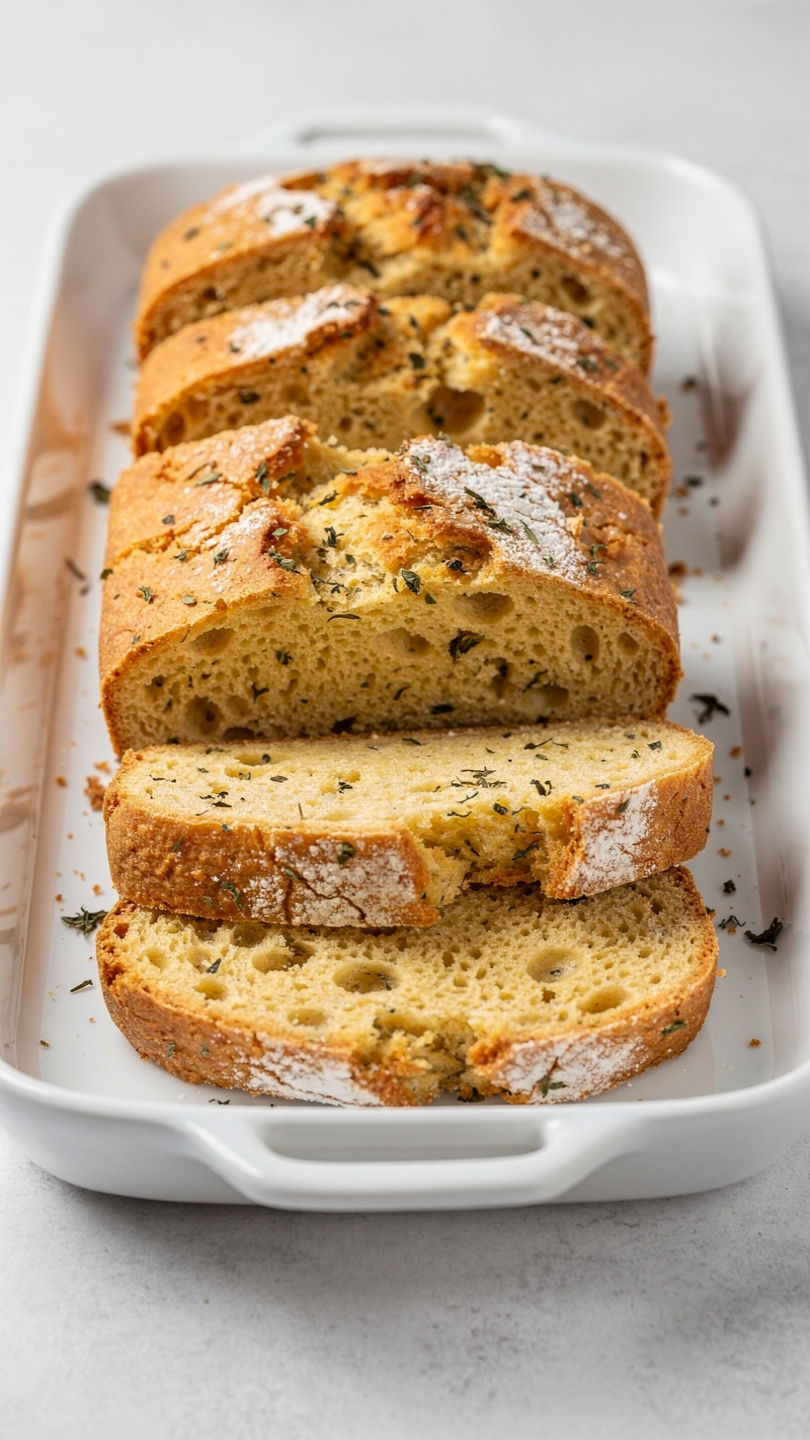
- Rosemary Roasted Garlic: Deeply savory, pairs brilliantly with olive oil and aged cheese. This is the quintessential specialty sourdough bread for a dinner party.
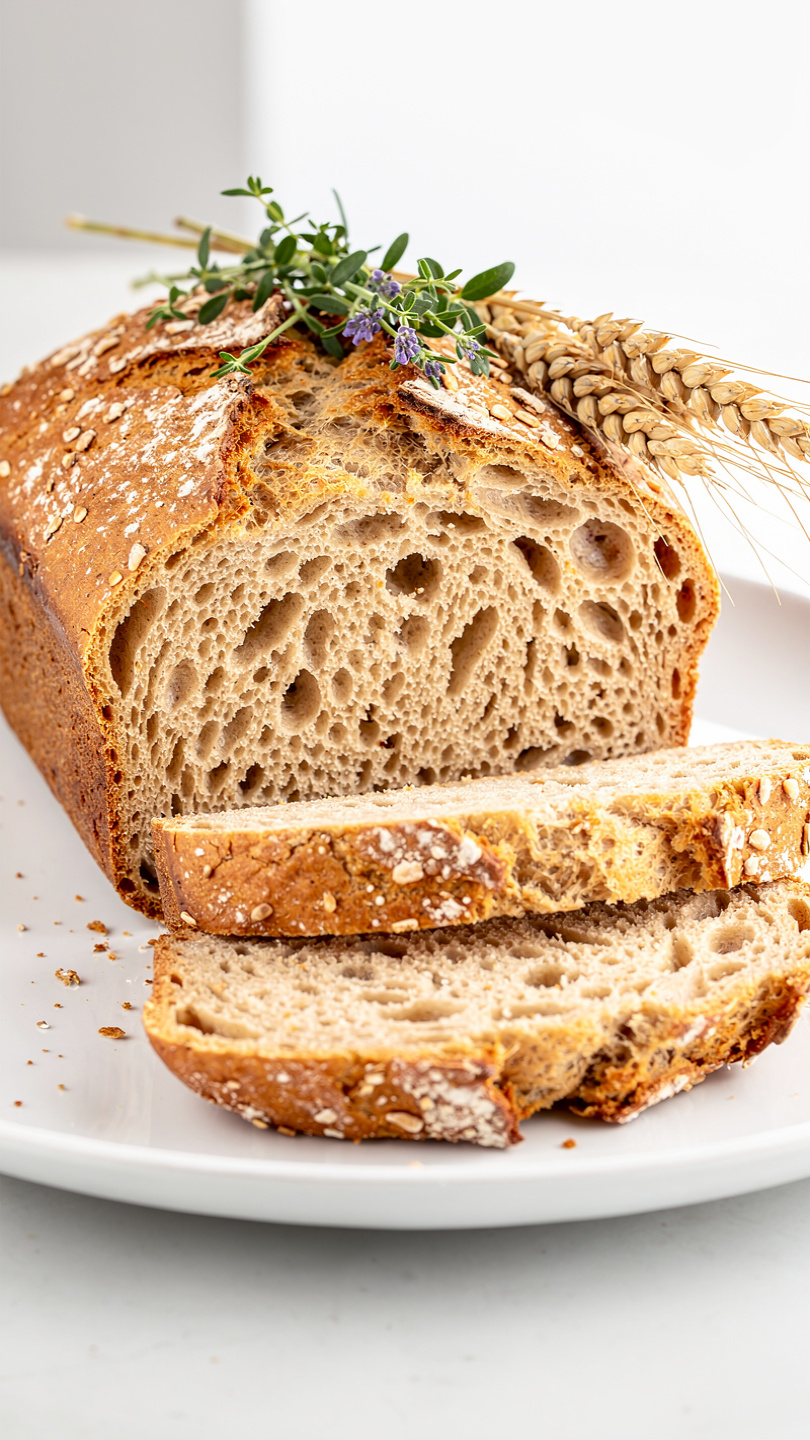
- Honey Oat: Swap 0.5 cup of flour for rolled oats and add extra honey for a softer, slightly sweet everyday loaf.
- Southern-Style Sweet Potato: Inspired by a Southern Sourdough Co bread recipe approach, fold in 0.5 cup of mashed roasted sweet potato with a pinch of nutmeg and smoked paprika.
Note: When adding heavy or moist inclusions like sweet potato or roasted garlic, reduce your water by about 2 tablespoons to compensate for the added moisture. Trust the feel of the dough more than the recipe numbers.
The Cold Proof: Your Secret Weapon
Regardless of which flavor sourdough bread recipe you choose, the overnight cold proof in the refrigerator is non-negotiable for outstanding results. Retarding the dough slows fermentation dramatically, giving enzymes time to develop flavor compounds that a same-day bake simply cannot match.
It also makes your schedule flexible. Shape the loaf in the evening, refrigerate overnight, and bake a fresh loaf the next morning with almost no active work. The cold dough also scores more cleanly, giving you those dramatic, bakery-style blooms across the surface.
This is the technique that separates truly great flavoured sourdough from the merely decent.
Ready to bake your own signature flavor sourdough bread? Here is the full recipe with every detail you need:
Sourdough Bread Flavors: Creative Recipes for Every Craving
Discover the best sourdough bread flavors, from rich chocolate chip sourdough to savory specialty loaves. These creative, flavored sourdough recipes will transform your home baking.
Ingredients
- 1 cup active sourdough starter, fed and bubbly, at peak activity
- 3 1/2 cups bread flour, plus extra for dusting
- 1 1/4 cups warm water, around 90 degrees F
- 1 1/2 tsp fine sea salt
- 1 tbsp honey, or maple syrup for a vegan option
- 3/4 cup semi-sweet chocolate chips, for chocolate chip variation; use high-quality chips
- 3 tbsp unsweetened cocoa powder, for chocolate sourdough variation only
- 2 tbsp olive oil, extra virgin, for brushing the Dutch oven or loaf pan
- 2 tbsp fresh rosemary, finely chopped, for savory herb variation
- 4 roasted garlic cloves, roughly smashed, for savory herb variation
- 2 tbsp brown sugar, for sweet or chocolate chip variation only
- 1 tsp ground cinnamon, for cinnamon-raisin or sweet variation
- 1/2 cup raisins, soaked in warm water 10 minutes before folding in
Instruction
In a large bowl, whisk together the sourdough starter, warm water, and honey until fully combined.
Add the bread flour and sea salt. Mix with a dough scraper or your hands until a shaggy dough forms and no dry flour remains. Cover and rest for 30 minutes (autolyse).
Choose your flavor variation. For chocolate chip sourdough, fold in the cocoa powder, brown sugar, and chocolate chips. For rosemary garlic, fold in the rosemary and roasted garlic. For cinnamon raisin, fold in cinnamon and drained raisins.
Perform 4 sets of stretch-and-fold every 30 minutes over 2 hours. To stretch and fold, grab one side of the dough, stretch it up, and fold it over the center. Rotate the bowl and repeat on all four sides.
After the final fold, cover the dough and let it bulk ferment at room temperature for 4 to 6 hours, until it has risen by about 50 percent and looks airy and domed.
Turn the dough out onto a lightly floured surface. Gently pre-shape it into a round, cover loosely, and let it rest for 20 minutes.
Final shape: using a bench scraper, fold the edges of the dough toward the center to create tension, then flip it seam-side down. Use your hands to drag it toward you slightly to tighten the surface.
Place the shaped loaf seam-side up in a well-floured proofing basket (banneton) or a bowl lined with a floured kitchen towel. Cover and refrigerate overnight, or for 8 to 16 hours.
When ready to bake, preheat your oven to 500 degrees F (260 degrees C) with a Dutch oven inside for at least 45 minutes.
Carefully remove the Dutch oven. Turn the cold dough out onto a piece of parchment paper, score the top with a sharp lame or razor blade in one confident slash, and lower it into the Dutch oven using the parchment as a sling.
Bake covered at 500 degrees F for 20 minutes. Remove the lid, reduce heat to 450 degrees F (230 degrees C), and bake for an additional 20 to 25 minutes until deeply golden and the internal temperature reads 205 to 210 degrees F.
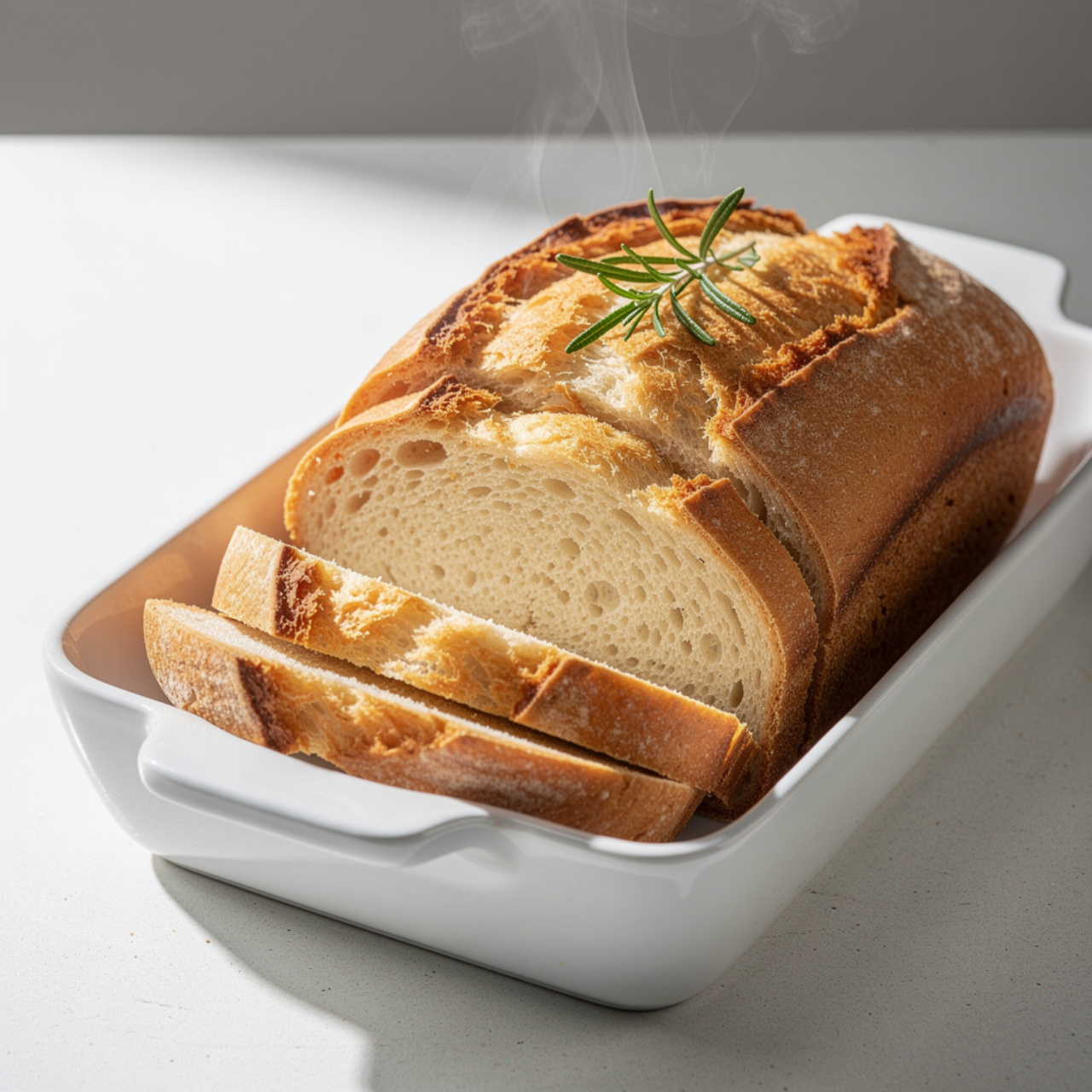
Transfer the loaf to a wire rack and let it cool for at least 1 hour before slicing. This is not optional as cutting too early causes a gummy crumb.
Equipment
- Dutch oven (5 to 7 quart)
- Proofing basket (banneton) or large bowl
- Bench scraper
- Lame or sharp razor blade
- Kitchen scale
- Large mixing bowl
- Parchment paper
- Wire cooling rack
- Instant-read thermometer
Notes
Serving, Storing, and Riffing on the Recipe
Freshly baked flavored sourdough is best served within the first day, when the crust is at its crispiest and the crumb is still slightly warm. Slice it thick and serve chocolate chip sourdough with cultured butter and a drizzle of honey. Rosemary garlic variations shine alongside a bowl of tomato soup or a generous wedge of aged cheddar.
For storage, wrap cooled loaves in a clean kitchen towel and keep them at room temperature for up to 3 days. Freeze extra slices in a zip-lock bag and toast directly from frozen whenever a craving hits.
Once you have the base recipe down, the possibilities for what to bake sourdough bread in, and what to fold into it, are genuinely endless. Dried cherries and dark chocolate. Caramelized onion and gruyere. Jalapeño and sharp cheddar. Consider this recipe your foundation, and let your own flavor creativity take it from here.